The Valley of Dry Bones

A Call to the Church to Stand with Returning Citizens
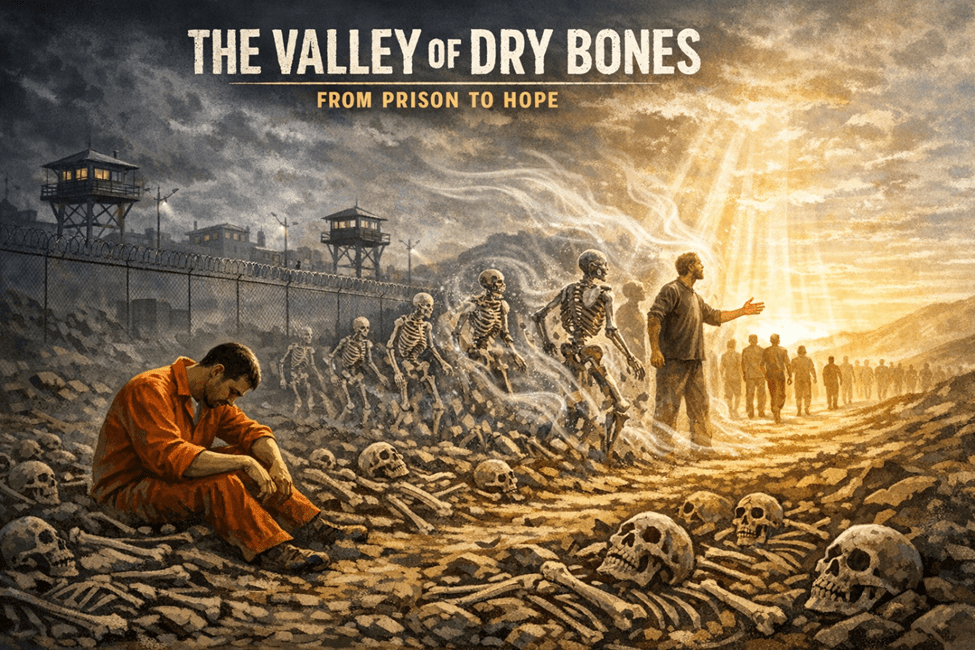
Few images in scripture are as haunting—and as hopeful—as Ezekiel’s vision of the Valley of Dry Bones. A prophet stands in a wasteland littered with bones, remnants of lives that once held promise. God asks him a question that feels almost cruel in its obviousness: “Can these bones live?”-Ezekiel 37:3 It’s a question that echoes today in a place Ezekiel never saw but would have understood intuitively: the modern prison.

Prisons, like Ezekiel’s valley, are full of people society has written off as “too far gone,” “beyond repair,” or “better forgotten.” Yet the dry bones vision is not a story about death—it’s a story about what can happen when we refuse to accept that death is the final word. Below is why this ancient metaphor resonates so deeply with the realities of incarceration.

🦴 1. Dry Bones Represent Lives Stripped Down to Their Lowest Point

In Ezekiel’s vision, the bones are not just dead—they are very dry, long abandoned, beyond any natural hope of restoration. In prison, people often describe feeling the same way:

  • Stripped of identity
  • Cut off from community
  • Reduced to a number
  • Disconnected from purpose
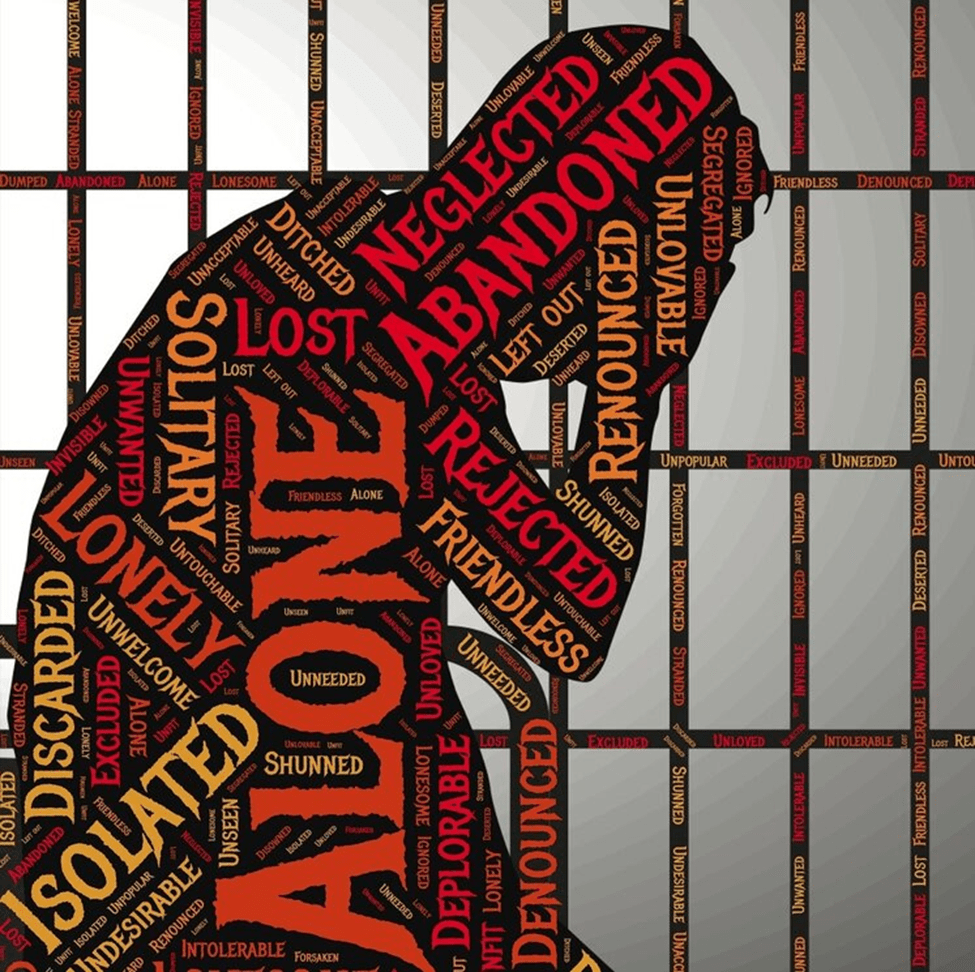
  • Forgotten by society

Many incarcerated people talk about feeling like they’ve been placed in a valley where nothing grows. Their past mistakes overshadow their humanity. Their future feels predetermined. Their present feels suspended. The dryness is not just physical confinement—it’s emotional, relational, and spiritual desolation.

🌬️ 2. The Question “Can These Bones Live?” Mirrors Society’s Doubt About Redemption

When God asks Ezekiel whether the bones can live, the prophet doesn’t say yes or no. He says, “Only you know.” That’s the tension we live with today.

  • We debate whether people can truly change.
  • We argue about punishment versus rehabilitation.
  • We question whether someone who has done harm deserves another chance.

The valley forces us to confront our assumptions about human potential. Prisons force us to confront them too. The question is not whether transformation is possible—it’s whether we believe it is.

🧩 3. Restoration Begins With Being Spoken To, Not Spoken About

In the vision, the bones begin to come together only after Ezekiel speaks directly to them. Not about them. Not around them. To them. This is a profound detail. People in prison are often spoken about—by courts, by media, by policymakers—but rarely spoken to in ways that affirm their humanity or potential. Change begins when someone:

  • Calls a person by their name.
  • Sees their story beyond their crime.
  • Speaks hope into a place defined by despair.
  • Treats them as capable of growth.

Words alone don’t fix everything, but they can spark the first movement of bones coming together.

💨 4. The Breath of Life Represents What Prisons Cannot Provide Alone
In Ezekiel’s vision, the bones come together, flesh appears, skin covers them—but they are still lifeless until the breath enters them. This breath symbolizes:

  • Purpose
  • Dignity
  • Connection
  • Hope
  • A future

Prisons can enforce structure, routine, and discipline. But they cannot breathe life into a person. That requires:

  • Community
  • Education
  • Mentorship
  • Healing
  • Opportunity
  • Belief

The breath comes from outside the system—through relationships, programs, and the willingness of society to see incarcerated people as more than their worst moment.

🌱 5. The Valley Becomes an Army of the Restored, Not the Perfect

When the bones rise, they don’t become an army of flawless saints. They become an army of people who were once written off. That’s the heart of the analogy:

  • The vision is not about perfection.
  • It’s about restoration.

Many people leave prison determined to rebuild their lives, reconnect with family, contribute to their communities, and break cycles of harm. But they face barriers that often feel as impossible as resurrecting dry bones:

  • Stigma
  • Employment discrimination
  • Housing restrictions
  • Lack of support
  • Trauma
  • Chronic health issues
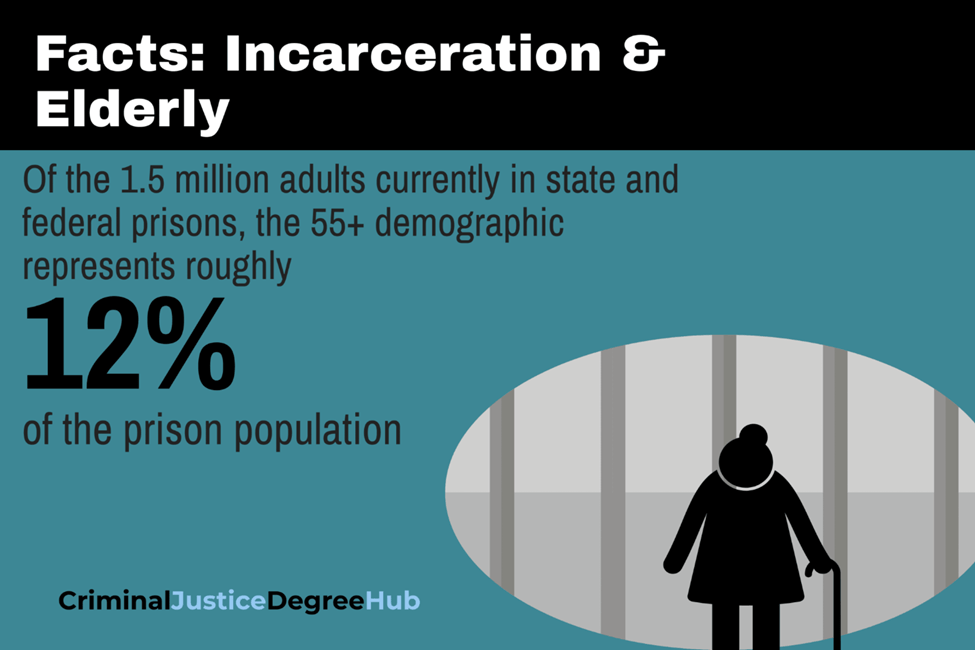
  • Aging behind bars

Yet, like the bones in the valley, many rise anyway—slowly, painfully, but powerfully.

🔥 6. The Valley Teaches Us That Transformation Is Collective, Not Individual

Ezekiel doesn’t resurrect the bones alone. The bones don’t resurrect themselves. The breath doesn’t come from within the bones. Transformation is a collaborative act. Likewise, prison reform, reentry success, and personal transformation require:

  • Community investment
  • Policy change
  • Compassionate leadership
  • Restorative justice
  • Support networks
  • Public imagination

The valley becomes a place of life only when multiple forces work together.

🌄 7. The Valley Is Not the End of the Story

The Valley of Dry Bones is not a story about death—it’s a story about what happens when we refuse to let death, despair, or desolation have the final word. Prisons can feel like valleys of dry bones. But the vision reminds us:

  • No one is beyond restoration.
  • No life is too fractured to be rebuilt.
  • No story is too broken to be rewritten.
  • No valley is too barren for hope to grow.

The question “Can these bones live?” is not a test of the bones. It’s a test of our imagination, our compassion, and our willingness to believe in the possibility of transformation. And if Ezekiel’s vision teaches us anything, it’s this:

Dry bones can rise. But only if we dare to see life where others see only death.

⚖️ 8. The Valley: What Returning Citizens Face

Ezekiel describes the bones as “very dry.” That’s not just death—it’s abandonment. Many returning citizens experience the same:

  • No ID
  • No housing
  • No job
  • No community
  • No sense of belonging
  • Nationally, many states see 40–60% of people return to prison within three years and 82% are rearrested within 10 years, showing how long incarceration impacts behavior and opportunity[1].

The valley is deep. These rates reflect not just individual choices but systemic barriers to reintegration. Based on the latest statistics, the state of Michigan is a bright spot.

Michigan’s recidivism rate is just 21%—the lowest in state history

79% of people on parole do not return to prison. Michigan’s success is not magic. It’s ministry in motion—practical supports that mirror the heart of the Gospel.

🌬️ 9. When God Says “Prophesy to These Bones”

In Ezekiel 37, God doesn’t tell the prophet to walk away. He tells him to speak life. Michigan’s reentry model does exactly that:

  • Helping people get state IDs and driver’s licenses.
  • Providing transitional housing.
  • Offering skilled trades training and post‑secondary education.
  • Connecting people to peer recovery coaches.
  • Supporting them before and after release.

These are not just programs—they are acts of restoration. They are the modern equivalent of Ezekiel speaking to the bones.

💨 10. The Breath: What Programs Alone Cannot Give

In the vision, the bones come together, flesh appears, skin covers them—but there is no breath until God sends it. Reentry programs can:

  • Train
  • House
  • Supervise
  • Prepare

But they cannot breathe hope, belonging, or identity into a person. That is where the Church becomes essential. The Church is uniquely equipped to offer:

  • Community
  • Purpose
  • Spiritual grounding
  • Mentorship
  • Love without condition

These are the things that turn structure into life.

📉 11. Reality Check: Not All Programs Work

The U.S. Department of Labor’s evaluation—shows the limits of fragmented reentry efforts:

  • 72% of participants received education or training.
  • 43% received occupational skills training.
  • Only 2.3% received on‑the‑job training — the most effective form of workforce preparation.
  • Participants were 5.1 percentage points more likely to be convicted of a new crime than the comparison group.
  • They were 4.1 percentage points less likely to be employed.
  • They earned $693 less on average in later quarters.

Why? Because partial support produces partial transformation. Programs that lack depth, continuity, and real‑world connection often fail to deliver lasting change, especially for individuals with serious prior justice involvement[5].

Bones rattled—but they didn’t rise. This is why the Church’s role is not optional. It is the missing breath.
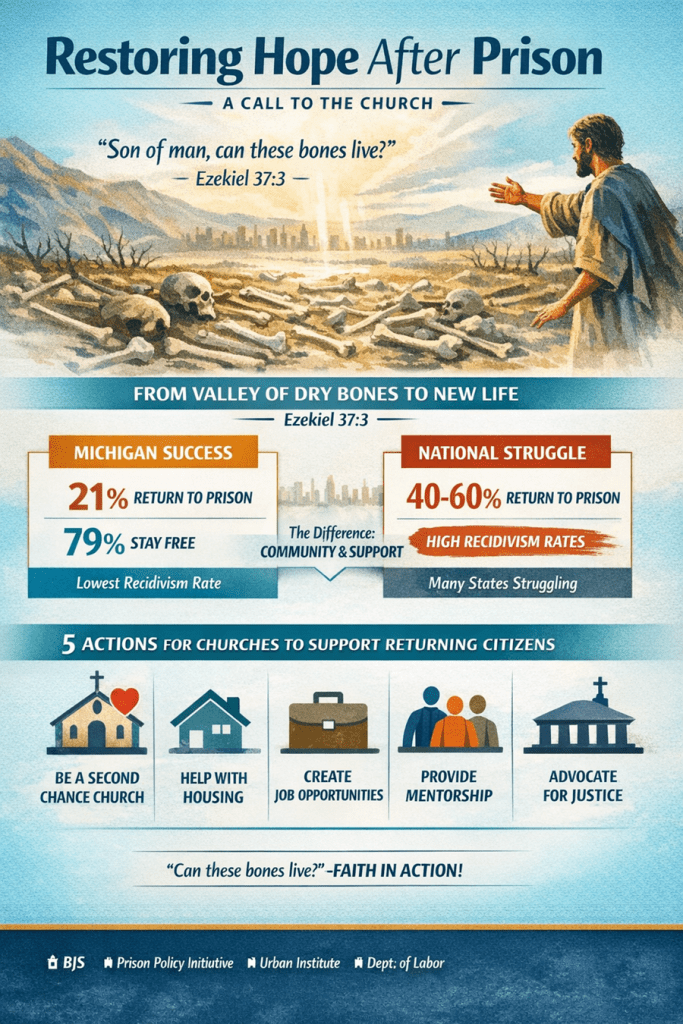

What Churches Can Do: Five Actions That Bring Life to the Valley

These are practical, doable, deeply biblical steps.

✝️ 1. Become a “Second Chance” Church

Many formerly incarcerated people have a very difficult time finding a church that will allow them to worship with their congregation.  They are turned away because there is no plan in place to address the “security challenges” that some parolees might pose based on fear, misinformation and prejudice. Returning citizens are a class of the “least of these” that require special handling and care for the church accommodate them.  The plan should include how to:

  • Publicly welcome returning citizens.
  • Train greeters and volunteers.
  • Preach on restoration, not retribution.

A church’s posture can be the difference between someone rising or returning to the valley.

🏠 2. Support Housing Stability

Housing insecurity is nearly three times more common than homelessness alone[3]. Formerly incarcerated individuals often face:

  • Disqualification from public housing
    • Discrimination by landlords
    • Lack of savings or credit

This instability undermines health, employment, and family reunification. How the church can help:

  • Partner with transitional housing programs.
  • Offer rental assistance.
  • Create host‑home networks.
  • Adopt a returning citizen as a congregation.

Stable housing is one of the strongest predictors of successful reentry.

💼 3. Create Employment Pathways

Unemployment among formerly incarcerated people is 27%, higher than any national rate in modern history[2]. Those who do find work earn 50–60% less than the general population[2]. Stigma, lack of credentials, and legal restrictions all contribute to this economic exclusion. How the church can help:

  • Hire returning citizens for church roles.
  • Partner with local employers.
  • Offer resume workshops and interview coaching.
  • Provide transportation to work.

Work is hope. Work is resurrection.

🤝 4. Build Mentorship and Discipleship Teams

Programs in prison like Keryx work because they include aspects of revival, peer led small group accountability, Spiritual engagement and service.  Freedom Dreamers and others have created similar programs to provide these necessary functions to returning citizens and the church can help by offering more opportunities in every community.

  • One‑on‑one mentorship.
  • Small groups for returning citizens.
  • Peer support led by formerly incarcerated members.

People rise when someone walks with them.

🙏 5. Advocate for Justice and Restoration

The church can provide a strong voice of reason and compassion in public discourse by:

  • Supporting ID access, housing reform, and fair‑chance hiring.
  • Partnering with MDOC and local reentry coalitions.
  • Educating your congregation about the realities of reentry.

Advocacy is prophecy in action.

Conclusion: The Church as the Breath in the Valley

The path after prison is steep and full of obstacles. But with:

  • Stable housing
  • Fair employment opportunities
  • Access to education
  • Community support
  • Policy reform

…success becomes not just possible, but sustainable. We must stop asking whether people can succeed after prison—and start asking whether we’ve given them a fair chance too.

Ezekiel watched as the bones rose—not because they were perfect, but because God breathed life into them. The Church is called to be that breath today. Michigan’s success shows what happens when a community invests in restoration. The US Department of Labor’s findings show what happens when support is fragmented. The valley is real. But so is the God who raises the dead. And He invites His people to stand in the valley and speak life.

Here are several faith-based programs in Michigan actively supporting returning citizens on parole or probation. Notably, Michigan’s low recidivism rate (21%) is linked to strong community partnerships—including churches and ministries offering housing, mentorship, and job support.

🙌 Faith-Based Reentry Programs in Michigan

1. Good News Ministries (Detroit)

  • Focus: Transitional housing, spiritual mentorship, job readiness
  • Services: Bible studies, recovery support, employment coaching
  • Website: goodnewsdetroit.org

2. Celebration Fellowship (Ionia & Muskegon)

  • Focus: In-prison worship and post-release discipleship
  • Partners: Christian Reformed Church, MDOC
  • Unique Feature: Operates inside prisons and continues support after release
  • Website: celebrationfellowship.org

3. Crossroads Prison Ministries (Grand Rapids)

  • Focus: Bible correspondence courses, mentorship
  • Reach: Serves incarcerated and returning citizens nationwide
  • Website: cpministries.org

4. The Isaiah House (Detroit)

  • Focus: Faith-based transitional housing for men on parole
  • Services: Recovery support, spiritual formation, job placement
  • Affiliation: Catholic Charities of Southeast Michigan
  • Website: ccsem.org

5. Nation Outside (Statewide, faith-rooted)

  • Focus: Advocacy and peer-led support for formerly incarcerated people
  • Faith Connection: Founded by justice-impacted Christians; partners with churches
  • Website: nationoutside.org

6. Prison Fellowship (National, active in Michigan)

  • Focus: Angel Tree, in-prison ministry, reentry support
  • Michigan Presence: Works with MDOC and local churches
  • Website: prisonfellowship.org

Michigan’s Offender Success network is a statewide reentry initiative run by the Department of Corrections (MDOC) that provides housing, employment, health, and mentoring support to parolees and probationers. It’s a key reason Michigan’s recidivism rate is just 21%—among the lowest in the nation.

🛠️ What Is Offender Success?

Offender Success (OS) is Michigan’s comprehensive reentry system designed to help individuals succeed after incarceration. It operates before and after release, with staff embedded in prisons and communities statewide.

🔑 Four Major Areas of Focus

AreaDescription
Evidence-Based ProgramsCognitive behavioral therapy, violence prevention, and other risk-reduction programs tailored to parole eligibility.
EducationHigh school equivalency, special education, career/technical training, and college degrees. Includes Vocational Villages—immersive trade schools inside prisons.
In-ReachDedicated staff help parolees plan for reentry before release, bridging prison and community.
Community SupportsHousing, job placement, health services, mentoring, and basic supplies provided through regional agencies and local partners.

🏠 Services Available to Returning Citizens

Eligible parolees and probationers may receive:

  • Residential Stability: Transitional housing, rental assistance, landlord partnerships
  • Job Placement Assistance: Resume help, employer connections, transportation support
  • Health & Behavioral Health: Referrals to providers, recovery coaching, peer support
  • Social Supports: Clothing, food, vital documents, mentoring, faith-based connections

🤝 Faith-Based Partnerships

Offender Success actively collaborates with:

  • Churches and ministries offering housing, mentorship, and spiritual support
  • Local advisory councils that include faith leaders
  • Community coordinators who connect parolees to faith-based services

Faith organizations can join the network by contacting their regional Offender Success coordinator or attending local advisory meetings.

📍 How to Get Involved

  • Churches can offer space, volunteers, or mentorship
  • Service providers can join local advisory councils
  • Returning citizens should speak with their parole agent to access services
  • Families can call 2-1-1 or use the Calvin University/MDOC Resource Map (Returning Citizen Services) to find local help

📚 Footnotes

  1. Bureau of Justice Statistics, Recidivism of Prisoners Released in 30 States (2021)
  2. Prison Policy Initiative, Out of Prison & Out of Work (2020)
  3. Urban Institute, Housing Challenges After Incarceration (2022)
  4. RAND Corporation, Evaluation of Reentry Programs (2023)
  5. U.S. Department of Labor, Reentry Employment Opportunities Study (2024)

Digging Deeper

Are Michigan’s reentry efforts actually more successful than the rest of the U.S.?

To be fair in the treatment of the data that I referenced in this blog entry, I have included the following assessment to highlight the differences in how the data was reported. It is difficult when combining data sources to ensure that the comparisons are accurate unless the definitions of key terms and methods of data collection and reporting are the same. The Michigan Department of Corrections, the US Department of Labor and the Bureau of Justice Statistics are not all using the same definitions so any comparisons must be understood to be more representative of magnitude than an exact arithmetic interpretation. The data is simple a useful tool to draw attention to the success rate of programs that are working better than programs in other states.

High‑level comparison

DimensionMichiganRest of U.S. (typical)
3‑year return to prison~21% returned to prison (≈2 in 10)Roughly 2–3x higher in many states (often 40–60%+)
TrendHistoric low, declining over last decadeGenerally flat or modestly declining, still high overall
FramingState explicitly credits reentry supports (IDs, housing, education, jobs)Reentry often fragmented, uneven by state and county
ProgrammingStatewide, coordinated through MDOC with budget lines for reentryPatchwork of state, county, nonprofit, and federal grants
Evidence qualityAdministrative recidivism data, descriptive but not causalMix of BJS stats + scattered program evaluations, few rigorous

1. Recidivism outcomes: Michigan vs national picture

Michigan’s Department of Corrections reports a 21.0% recidivism rate, defined as people who return to prison within three years of parole—its lowest rate on record and a 79% “success rate” for those paroled in 2021.

Nationally, federal studies typically find that around two‑thirds of people released from state prisons are rearrested within three years, and a substantial share are reconvicted or returned to prison. Even allowing for definitional differences (rearrest vs return to prison), Michigan is clearly performing much better than the national norm on basic recidivism metrics.

Key point: Michigan is not just slightly better—it’s in a different tier of recidivism performance.

2. What Michigan is actually doing differently

Michigan’s own reporting repeatedly links lower recidivism to “full circle” reentry support, not just to tougher supervision. Core elements include:

  • IDs and licenses: Help obtaining state IDs or driver’s licenses before or shortly after release—critical for work, housing, and services.
  • Housing supports: Investment in transitional housing and help finding stable placements.
  • Employment & training:
    • Job placement assistance and employment services.
    • 14 skilled trades programs operating inside prisons.
    • 12 post‑secondary education programs, with thousands of graduates.
  • Recovery & behavioral health: Funding for peer recovery coaches and recovery resources.
  • Continuity of care: Emphasis on support during incarceration and on parole, not just at the gate.

This is closer to a statewide reentry ecosystem than a loose collection of programs.

3. How that contrasts with much of the U.S.

In many other states, reentry looks more like:

  • Higher baseline recidivism (often 40–60%+ return to prison within 3 years).
  • Fragmented services—short‑term grants, county‑level programs, and nonprofits with limited capacity.
  • Weak housing infrastructure—very few dedicated transitional beds, long waitlists, and strict exclusions.
  • Limited in‑prison education—far fewer post‑secondary options and trades seats per capita.
  • Minimal ID/benefits preparation—people leave without IDs, health coverage, or a clear plan.

So, while Michigan is not perfect, its combination of IDs + housing + education + employment + recovery is more comprehensive than what many states offer.

4. Caveats when comparing Michigan to “the rest of the U.S.”

Raw comparisons can mislead. Important caveats:

  • Different definitions: Michigan’s 21% is “return to prison within 3 years of parole,” not “any rearrest.” Other states or federal stats often use rearrest, which is always higher.
  • Population differences: Michigan’s prison population has declined to its lowest level since 1991, which may mean more selective incarceration and parole practices.
  • Policy context: States differ in sentencing laws, parole practices, and community supervision intensity—all of which affect measured recidivism.
  • No randomized evidence at the state level: Michigan’s data show strong association, not definitive proof that reentry programs caused the lower rate.

So: Michigan looks genuinely strong, but we should treat it as a promising model, not a controlled experiment.

5. Reframing “success” beyond recidivism

  1. Michigan is outperforming national recidivism norms, with about 1 in 5 returning to prison vs much higher rates elsewhere.
  2. The state has institutionalized reentry supports (IDs, housing, education, trades, recovery) in a way many states have not.
  3. The direction of change (historic low, downward trend) matters as much as the level.
  4. True success should also track:
    • Stable employment
    • Stable housing
    • Health and recovery
    • Family reunificaiton
    • Long-term desistance, not just 3-year returns.
OLD SCHOOL

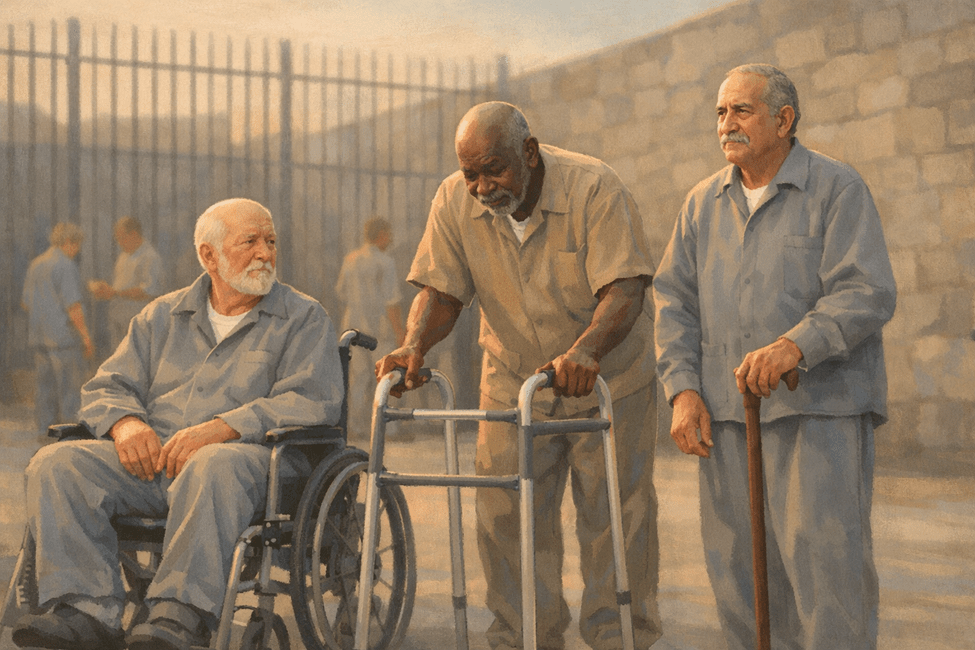
While in prison I met a lot of men that required assistance in the form of wheelchairs, walkers or canes to get around. Most of these had chronic, debilitating conditions requiring daily trips to medical to receive restricted medications and frequent offsite medical appointments. Life behind bars is tough and there isn’t any sympathy or relief from the extra challenges of getting around in a large prison compound. Come rain or shine med line callouts meant waiting outside in long lines to receive medications.  Wheelchair bound inmates were assigned a wheelchair pusher to assist them with getting to appointments and meals. (Whether they showed up to do their jobs is another story.) Those with walkers or canes were on their own.

Going out of the facility for transfers or medical appointment meant belly chains and wrist & leg shackles regardless of whether you might be considered a flight risk.  I had to go to the prison hospital in Jackson several times for doctor’s appointments and witnessed first-hand the pain and suffering that the sickest, frailest inmates endured to receive health care. In many ways I was blessed and fortunate to avoid illness or injury that resulted in permanent disability. For some it was a never-ending nightmare.  In prison inmates have no control of their situation, and access to medical services doesn’t guarantee treatment. 

I knew several inmates who had suffered medical emergencies like strokes or heart attacks.  Some I knew had received traumatic injuries in fights or sports.  One guy I met was suffering from liver failure and after completing his sentence with the MDOC was being held on a detainer from another state.  He was looking forward to going to Ohio because there he would be eligible for a liver transplant. Prisoners in the MDOC are not allowed on the waiting lists for organ transplants. Most of the handicapped inmates I knew didn’t arrive in prison that way. I have watched a bunkie go from being an able-bodied lifer working in the kitchen to being wheelchair bound in a matter of weeks because of a change of medication ordered, not by his doctor but by a bureaucrat because there was a cheaper but less effective COPD medication available. Having life threatening conditions may not necessarily mean that you will receive treatment or that it might be changed to a lower cost, less effective treatment with devastating effects.

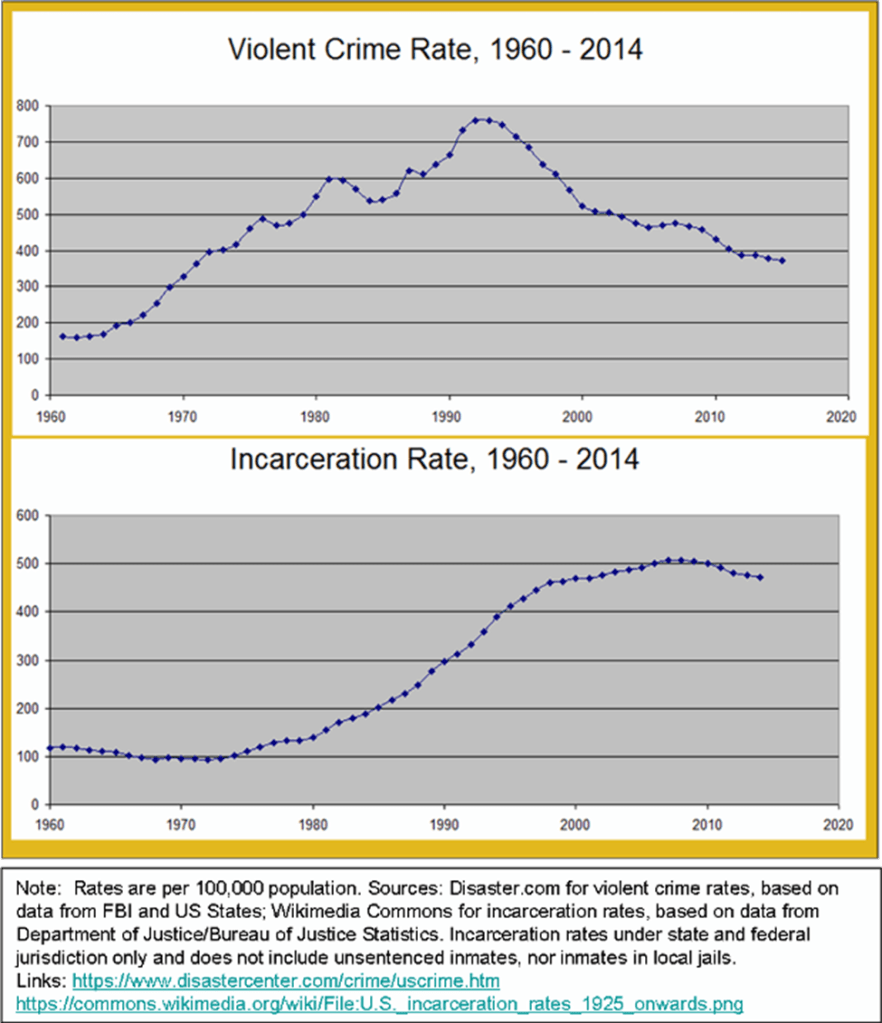
Much of how prisons operate today is based on systems developed over 100 years.  Change is always slow in coming to large systems designed around a single concept-  Inmates are in prison in order to “protect” the public.  Prison sentences have grown longer in the last 50 years in response to public outcries and political rhetoric. Social and medical science have had little impact on these often secretive and deliberately cruel institutions.  Lawsuits have had more impact on changes in prison policy and procedure than enlightened public opinion or governmental policy.  “Tough on crime” legislation increased sentence guidelines and in very few cases have they been reduced, regardless of the nearly universal agreement of researchers that it hasn’t achieved the desire effect.  That the human and financial costs to society are far higher than the return on investment.

Going to jail and prison are very stressful events. In my mid 40’s when I was arrested, I did not have gray hair.  By the time I completed my sentence in my early 50’s my hair was turning gray. Incarceration means more than just losing your freedom, it is a complete loss of control.  You no longer have a say about what happens to you. Isolation, confinement, poor nutrition, sleep deprivation, and violence all play a role in breaking you down mentally, physically and spiritually, Hours turn into days. Days turn into months. Months turn into years. Everything you once had is lost. The present is dark and scary.  The future is so far away that it is unknowable. In Prison time moves slowly but inmates age faster than on the outside.

While in prison I walked the track, even ran and worked out in the weight pit some.  There were sport leagues for softball, basketball and volleyball.  We got out of our cells and cubes as often as we could to get fresh air and exercise.  I read books from the library in order to allow my mind to visit far away places, study new ideas or work on my self improvement and spirituality. I looked forward to weekly calls home and wrote letters and created my own greeting cards. I participated in any available programming offered that I thought would look good to the parole board. But while all those things did help with the daily stresses of life behind bars, it wasn’t enough.

Prison food is legendarily awful.  Most people lose a lot of weight while in jail and prison because of the inadequate portions and poor nutritional quality.  Supplementing caloric intake from the store is expensive and the options are not healthy, mostly carbs and sugar. While I was at Mid-Michigan Correctional in St. Louis, MI, I even had to contend with polluted drinking water.  Reports of cancers, kidney failure and other health issues that did not exist in individuals before going there have been reported, due to exposure to contaminated well water that the prison used. There have been lawsuits brought against the MDOC for food and water, but there has been little if any positive change.

That being said there are a few items worth mentioning regarding legislative changes both recent and proposed here in Michigan, that are reflective of the conclusions drawn by researchers both in the US and internationally regarding the effects that incarceration has on individuals serving time.  With the help of AI I have compiled the following overview regarding the effect that prison has on the aging of those incarcerated.  To put this in context.  Prison populations in Michigan and across the nation have risen dramatically since the 1980s because of longer prison sentences that legislatures enacted.  Now many of those incarcerated are serving indeterminate sentences that we refer to as basketball scores.  Sentences that amount to life without the possibility of parole by another name.


Accelerated Aging in Prison: Michigan in National and International Context

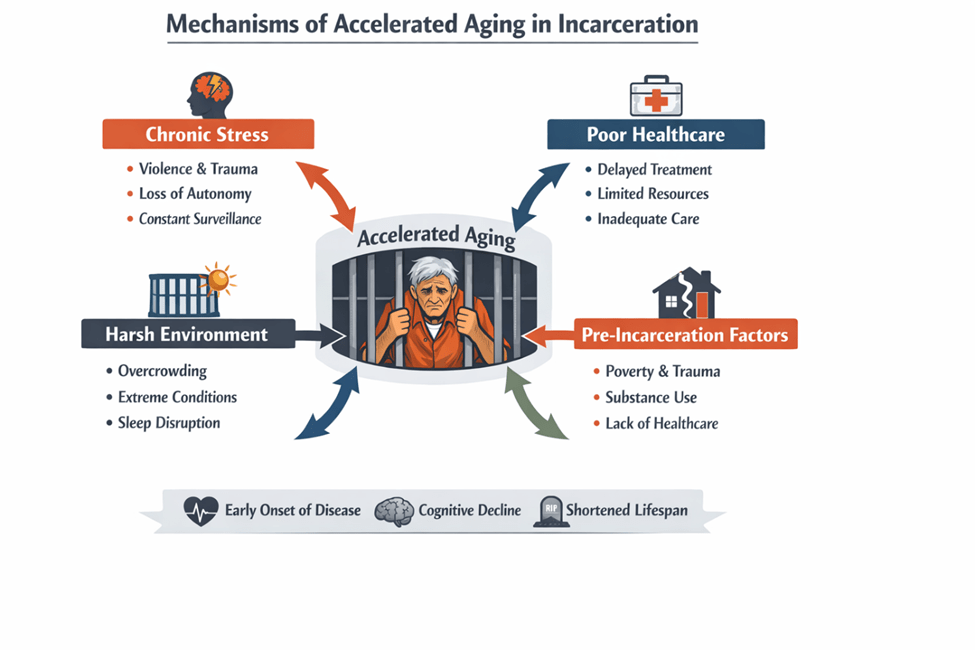
A substantial body of medical, gerontological, and social science research demonstrates that incarceration is associated with accelerated aging. Each year spent incarcerated is associated with an estimated two‑year reduction in life expectancy. Incarcerated individuals experience earlier onset of chronic disease, functional impairment, cognitive decline, and reduced life expectancy compared to the general population. As a result, people in prison are often considered physiologically 10–15 years older than their chronological age. ¹ ²

This phenomenon has direct relevance for Michigan, where a growing share of the prison population is older and medically complex, and where recent policy reforms acknowledge—though only partially address—the implications of aging behind bars.

Health and Aging in Prison

Across U.S. and international studies, incarcerated adults show:

  • Earlier onset of geriatric conditions, including mobility limitations, sensory impairment, incontinence, and cognitive decline. ³
  • High levels of multimorbidity at younger ages than seen in the general population. ⁴
  • Elevated mortality risk and reduced life expectancy associated with time spent incarcerated. ⁵

Researchers consistently identify several drivers: cumulative life-course disadvantage prior to incarceration; chronic stress, deprivation, and loss of autonomy during imprisonment; delayed or inadequate healthcare; and prison environments designed for younger, able-bodied populations. ² ³

Michigan’s Policy Response

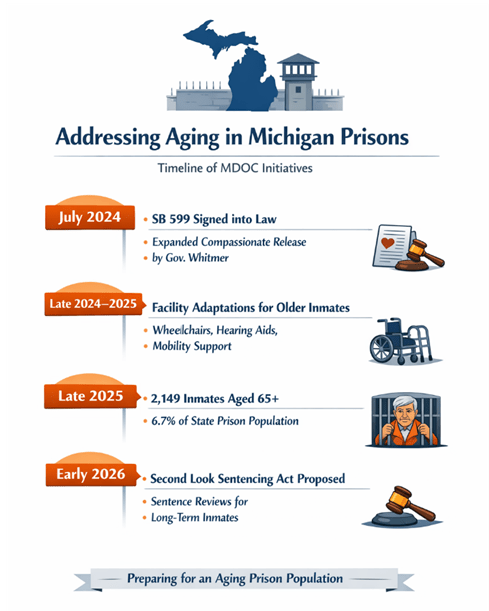
Michigan has explicitly recognized the challenges posed by an aging prison population and has enacted limited reforms.

Medically Frail Parole (Senate Bill 599, Public Act 111 of 2024):

  • Expanded eligibility for parole is based on serious medical conditions, terminal illness, or severe functional impairment.
  • Permits release to any parole-board–approved placement, including private homes or hospice care, rather than only licensed medical facilities.
  • Retains restrictive criteria focused on medical severity, low assessed risk, and minimal threat to public safety. ⁶ ⁷

Proposed Second Look Sentencing:

  • Would allow judicial review of long sentences after substantial time served.
  • Remains under consideration and has not yet been enacted. ⁸

Assessment:

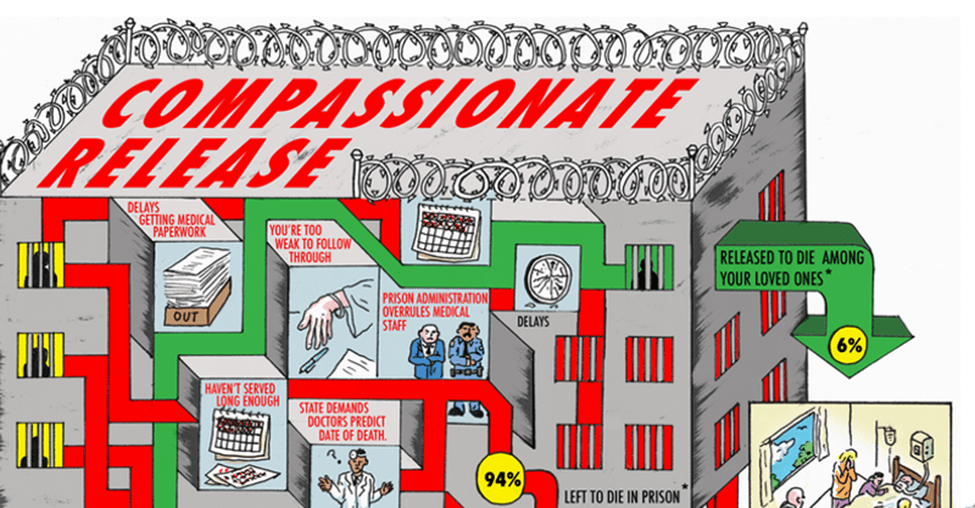
Michigan’s approach reflects a narrow, medicalized model. While SB 599 improves access to compassionate release for the most seriously ill individuals, the state largely continues to manage aging inside prison rather than broadly reassessing long sentences for older adults. I knew several inmates who tried to apply for compassionate release due to the diagnosis of terminal diseases.  Only one received his compassionate release, but still died in prison before he could be released.

Comparison with Other U.S. States

State approaches to aging in prison vary considerably:

  • More expansive models (e.g., California, New York):
    • Provide “elder parole” or age-plus–time-served eligibility.
    • Do not require terminal illness or profound disability. ⁹ ¹⁰
  • Restrictive models (including Michigan historically):
    • Rely primarily on medical or compassionate release with narrow eligibility and low utilization. ⁷

Michigan’s position:

Recent reforms move Michigan away from the most restrictive end of the spectrum, but it remains closer to “medically frail only” systems than to states that treat advanced age and lengthy incarceration itself as grounds for sentence review. One issue that I am aware of is that while there is a process in place to make the determination of whether or not compassionate release is warranted there was no timeframe required to make the determination, which allows MDOC staff responsible for making the determination to sit on the paperwork until it becomes a moot point.

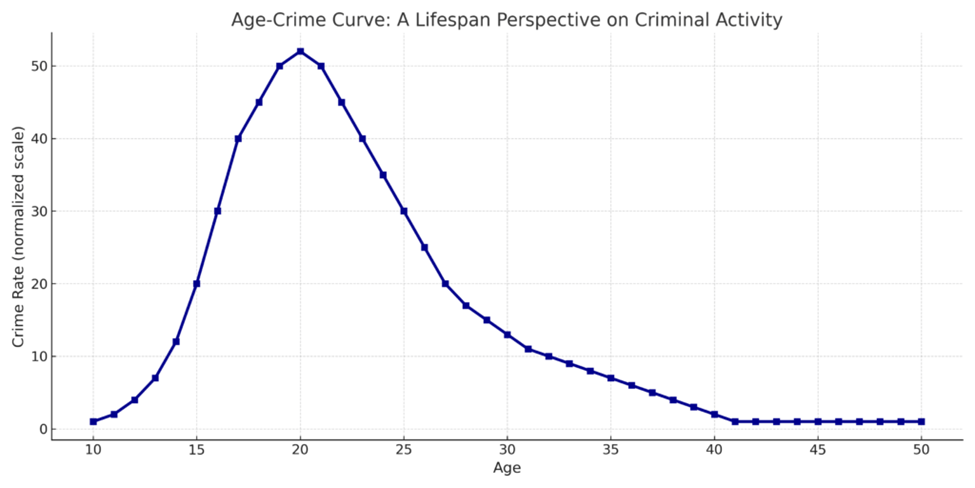
Michigan does not have “good time” or any other behavior-based system to shorten sentences to less than the Earliest Release Date.  Therefore, it is not possible to go before the parole board for consideration of mitigating factors that could be taken into account in determining whether an inmate would pose a risk if paroled back into the community. Much has been said about “aging out of crime” research that shows that as people age, they tend to take fewer risks and are less likely to commit crimes in their 30s than when they were in their teens or 20s. So, for those that received long sentences based on sentencing guidelines may actually become less of a threat to society as they mature.  This was acknowledged in the “juvenile life without possibility of parole” controversy where courts were ordered to resentance juvenile lifers taking their prison records into account.

Prison is a dangerous place and being older can make an inmate a target for theft, exploitation, extortion and violence. This can be especially true for older or handicapped inmates serving time for sex offenses. Sex offenders are seen as the lowest of the low and are singled out for abuse for no other reason.  While sex offenses are by definition violent crimes, that doesn’t mean that the perpetrator is a violent person capable of defending themselves from gang members.  Most inmates are in General Population where both violent and non-violent offenders are housed together.  It isn’t possible to segregate inmate populations based on which ones are serious about going home and those that are only there on “vacation.” The violence in prison follows the same age related curve as in society. Having been assaulted twice I know how that can affect a person. Prison is no place for the weak and defenseless but there are too many there that are just that. People to weak to pose a threat to society but are unable to be considered for any type of “unfitness for prison” designation as some other countries have.

International Comparison (United Kingdom and Europe)

International research and policy frameworks generally adopt a different orientation:

  • Aging in prison is framed primarily as a human rights and dignity issue, not solely a healthcare problem. ¹¹
  • Release decisions often focus on whether continued detention is compatible with frailty, severe disability, or cognitive impairment, rather than on diagnosis alone. ¹²
  • Greater reliance on shorter sentences, non-custodial sanctions, and compassionate release reduces the number of people aging in custody. ¹¹
  • Universal or integrated healthcare systems facilitate continuity of care following release. ¹³

Compared with these models, Michigan—like most U.S. states—places greater emphasis on managing aging within prison rather than structurally limiting long-term incarceration of older adults.

Comparative Approaches to Aging and Release from Prison

DimensionMichigan (MDOC & State Law)Other U.S. StatesInternational Models (UK / Europe)
Primary mechanism for older or infirm prisonersMedically frail parole under SB 599 (Public Act 111 of 2024); proposed but unenacted Second Look Sentencing¹²Mix of medical parole, geriatric/elder parole, resentencing, and executive clemency; scope varies widely by state³⁴Compassionate or medical release combined with generally shorter sentences and broader use of non‑custodial sanctions⁵⁶
Trigger for releaseSerious or terminal medical condition, severe functional impairment, dementia, minimal public‑safety risk¹Often age plus time served (e.g., 50–65 years old with 10–25+ years served), sometimes without terminal illness requirement³⁷Terminal illness, severe disability, or determination that continued detention is incompatible with dignity or human‑rights standards⁵⁸
Placement after releaseAny parole‑board–approved placement, including private homes or hospice (expanded by SB 599)¹Some states require placement in licensed medical facilities; others allow home or community placement³Typically home, hospice, or community care settings, often integrated with national health systems⁶⁹
Definition of eligibilityNarrow and medicalized: diagnosis‑ and impairment‑based; age alone is insufficient¹²Highly variable; some states recognize “geriatric” status by age, others rely almost exclusively on medical criteria³⁴Often framed as “unfitness for imprisonment” or disproportionate punishment, rather than age or diagnosis alone⁵⁸
Overall policy orientationIncremental and restrictive; focuses on releasing only the sickest individuals while most age and die in prison¹²Patchwork system: ranges from expansive elder‑parole frameworks to rarely used medical release mechanisms³⁴Greater emphasis on proportionality, dignity, and limiting long‑term incarceration of frail or elderly people⁵⁶

Key Takeaways

  • Research consensus: Prisons are aging-accelerating environments.
  • Michigan: Acknowledges accelerated aging but relies on narrow, medically driven release mechanisms.
  • Other U.S. states: Offer a patchwork ranging from restrictive medical parole to broader elder-parole systems.
  • International models: Emphasize proportionality, dignity, and reduced reliance on incarceration for older and frail individuals.

Bottom line:
Michigan has made incremental progress but compared with more expansive U.S. reforms and international approaches, it continues to prioritize selective medical release over broader reassessment of long sentences and the appropriateness of incarcerating older adults.

The research also shows that the effects of aging in prison are not easily mitigated after parole.  These are life expectancy shortening, quality of life issues that are the unintended consequences of incarceration.  In a society solely focused on retribution rather than rehabilitation and reconciliation there needs to be more discussion, not based on emotions but rather on scientific evidence to guide decision making.  There needs to be less of a proscribed one-size-fits-all approach to sentencing guidelines and more of an individual evaluation of whether or not a person is still considered a threat to society.  Give the parole and clemency boards the ability to determine if the time spent in prison has resulted in meaningful and measurable reform.  Provide more structural support during parole to ensure the successful reintegration back into society.  All of these things together would reduce prison populations and minimize this aging effect, thereby reducing long term costs associated with incarceration and medical care.

Footnotes

  1. Berg, M. T. et al., Losing Years Doing Time: Incarceration Exposure and Accelerated Biological Aging, Journal of Health and Social Behavior (2021).
  2. Doherty, E. E. et al., Examining the Relationship Between Incarceration and Healthy Aging, Journal of Developmental and Life‑Course Criminology (2025).
  3. Prison Policy Initiative, Graying Prisons: States Face Challenges of an Aging Inmate Population (2018).
  4. American College of Physicians, Health Care Implications of the Rapidly Aging Incarcerated Population.
  5. ACLU & Prison and Jail Innovation Lab, Trapped in Time: The Silent Crisis of Elderly Incarceration (2025).
  6. Michigan Legislature, Senate Bill 599 (Public Act 111 of 2024).
  7. Michigan Allows More Releases for Medically Frail Prisoners, Prison Legal News (2025).
  8. WCMU Public Media, reporting on proposed Second Look Sentencing legislation.
  9. National Conference of State Legislatures, analysis of elder parole statutes (cited in The Marshall Project, 2026).
  10. Davis Vanguard, Debate Grows Over Elder Parole Bill in New York (2026).
  11. Prison Reform Trust, Growing Old in Prison (UK).
  12. UN Office of the High Commissioner for Human Rights, submissions on older persons deprived of liberty.
  13. Gavin, P. et al., Healthcare and Social Care Needs of Older Prisoners in England and Wales, Social Sciences (2025).

Table Footnotes

  1. Michigan Legislature, Senate Bill 599 (Public Act 111 of 2024), amending medically frail parole eligibility.
  2. Michigan Allows More Releases for Medically Frail Prisoners, Prison Legal News (2025).
  3. National Conference of State Legislatures, surveys of elder‑parole and geriatric‑release statutes (cited in The Marshall Project, 2026).
  4. How States Are Grappling With an Aging Prison Population, The Marshall Project (2026).
  5. Prison Reform Trust, Growing Old in Prison (UK).
  6. Gavin et al., Healthcare and Social Care Needs of Older Prisoners in England and Wales, Social Sciences (2025).
  7. Davis Vanguard, Debate Grows Over Elder Parole Bill in New York (2026).
  8. UN Office of the High Commissioner for Human Rights, submissions on older persons deprived of liberty and compatibility of detention with human‑rights standards.
  9. Penal Reform International, Global Prison Trends and European prison‑health integration analyses.

Educated Guess

Time well spent or wasted

I worked as a tutor in the GED program for nearly 5 years, under three different teachers at two different prisons.  There isn’t much that was more rewarding than when one of my students would point me out to his family in the visiting room and say, “That man is helping me get my GED.”  And there wasn’t much that was more frustrating than seeing a student who could get his GED fail to apply himself and leave prison with nothing to show for his time.  Unfortunately, the later occurs far more frequently than the former.  A significant percentage of the inmates in prison failed to graduate from high school and most tuned out long before they dropped out.  They put no value on gaining a formal education, the streets were their school.  Many are functionally illiterate, barely able to write their own name or complete simple arithmetic calculations.

While a few of these men may truly have a learning disability, more however have damaged themselves through drug abuse.  Some of my students had received Social Security Disability payments before the came to prison because at some point in time they had been diagnosed with a learning disability when they were in school out in the world.  Now they refuse to make any attempt at completing their GED because they would lose their SSD and have to go to work.  As adults they are clearly intelligent enough but lack the motivation.

Conditions such as ADHD go untreated in prison and these students are disruptive to those around them in the classroom.  Unable to focus they are constantly engaging others in conversation, sometimes even from across the room.  They don’t have an indoor voice or even the awareness of how loud they are.  More interested in what is going on around them than the assignments they are supposed to be working on, they are like bees buzzing around whatever attracts their attention for a moment before moving on to the next thing.  It only frustrates the teacher, the tutors, and the other students who are trying to learn to have them in the classroom.  However, only under extraordinary circumstances will these students receive an exemption from the requirement to attend school.  It is more likely that the teacher will write a ticket regarding their disruptive behavior and eventually expel them from the classroom.  This will almost guarantee that the parole board will flop them.  They will be put back on the waiting list to attend school, be assigned to another classroom where they once again be disruptive and repeat the cycle of expulsion and flop again.

There are critical shortages of text books and other teaching materials.  The result is that in most prisons the books must stay in the classroom making it difficult for students who do try to apply themselves to do homework and complete their GED quickly.  Textbooks are generally in poor condition.  One of my tasks was to periodically clean textbooks of graffiti and answers that had been penciled in.  I also made repairs to damaged covers and bindings in order to keep the textbooks in circulation for as long as possible.  Even after the new GED standard came out the decision was made to continue to use the old textbooks even though they did not contain the new concepts added to the curriculum.  The question formats and language changed significantly with the new standard and the result was that students taking the new test were not adequately prepared.

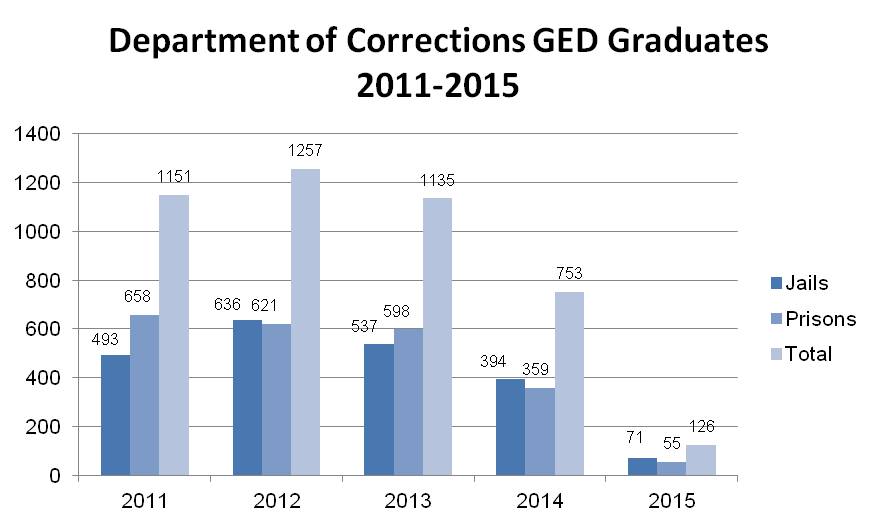
kentucky prison GED grad rates
I found this graph of graduation rates published by the Kentucky DOC which reflects the decrease in graduation rates that resulted from the implementation of the new GED requirements.  I could not find a similar graphic for Michigan but I suspect the results to be similiar.

To address the issues of test preparation for the new computerized testing format the MDOC did invest a significant amount of money into new computers and servers capable of running educational software.  After several false starts additional resources were allocated to fix the problems, and new programs were just beginning to be introduced around the time I left prison.  I don’t know for certain whether this made any improvement in graduation rates, but I suspect not.  We only had four computers in a classroom with an average of 18-20 students so relatively few had any significant opportunities to practice.  For some that had never used a computer this could actually influence how well they performed on the test.

At the prisons where I was a tutor the classes each ran one hour and thirty minutes a day, Monday through Friday.  There were four periods, two before lunch and two afterwards.  When I was at a multi-level facility the level IV students were able to mix with those from Level II or I in school.  This and in medical were the only places that inmates of the higher security level were able to.  The rest of the time whether in the gym, library, or yard separation was strictly maintained.  At level IV-only facilities I would have been able to serve as a tutor however, in the multi-level facility I had to wait until my security level was down-graded to Level II.

The qualifications for being a tutor were that you had to have attained at least a GED and achieved a grade level of at least 11.5 on a standardized test of Reading, Math, and Language skills administered to potential tutor candidates.  Most of the tutors that I knew held college degrees.  At one facility where I was, a certain well-known, disgraced former mayor of a major Michigan city was working as a tutor.  There were usually 3-4 tutors in a classroom.  The pay for tutors was one of the highest paying jobs for inmates.  With a college degree I made around $3.60 per day for 6 hours of work.  Duties and responsibilities varied depending on the teacher.  At times I had students waiting in line for help or we worked in small groups.  At other times I read all the books, newspapers, and magazines I could get my hands on to keep from being bored.

Some teachers tried to maintain a classroom environment that would be conducive to learning with library-like silence where students worked independently on assignments. It was in these classrooms that the disruptive students tended to be the biggest problem.  Other teachers ran their classes more like a daycare were students engaged in non-academic discussions and little if any learning occurred on a daily basis.  While I’m sure the statistics such as graduation rates or student progress on the quarterly standardized tests could be generated on an individual teacher basis, to the best of my knowledge teacher performance in terms of academic success is not a factor in their job performance evaluations.

Principles and school psychologists are generally overseeing schools at several facilities.  This meant that the principle was generally in the school office at each facility one day a week.  There was a school secretary and they generally over saw an inmate clerk to manage the day-to-day activities.  Inmates seeking to contact the principle unfortunately rarely got a response to kites submitted for a range of inquires from requesting a change of classroom into one that was more conducive to learning to requests to get into or out of school for whatever reason.  The psychologist was the one that could make an evaluation of whether a student was sufficiently impaired to qualify for an exemption do a true learning disability or whether students with learning disabilities qualified for more time or helps while taking exams.  The criteria they used was clearly different from the criteria used by schools out in the world because so many students had been previously diagnosed with a learning disability but were neither exempt from school or given extra time or helps on exams.

The school secretary and clerks were vitally important.  They maintained records on every inmate on the compound.  When inmates were transferred to another facility their school records also had to be transferred.  The Classification office would need to verify inmate records like whether they had a GED, high school diploma, or college degree to determine whether inmates met the qualifications for positions like tutors or clerks, and the pay grade associated with each level of education attained.  By records I am of course referring to paper files.  The MDOC is archaic in its systems.  I once had to fill out a paper form to request a college transcript to confirm my college education.  This form was then faxed to a phone number that was looked up in a large book listing the contact information of every school and university in the state.  It took three tries to get my transcript and it only happened because the teacher I was tutoring for was a fellow alumnus, who took it upon himself to follow-up on the request with the university.  An original certified copy of the transcript submitted by my family was unacceptable because it had not come directly from the school or university to the principle’s attention at the school office.  Since the certified copy of my college transcript had been accepted by the MDOC when compiling information for the Pre-Sentence Investigation report and placed in my permanent record this really made no sense.

While the classroom was supposed to be maintained as an environment where students could study, the same could not be said for the housing units.  The typical Level I housing unit is crowded, noisy and dark.  In the typical cubical setting what started out as one bed, locker, and desk per inmate in a four-man cubical has been changed to eight men.  To make room for the extra bunk beds some of the desks were removed leaving little space for someone to study even if it wasn’t noisy and dark.  In Level II the two-man cells provided each inmate with a desk and light.  By closing the door, you could get some quiet in order to study.  The problem being that in the higher security levels inmates were there for only one of two reasons, either they were serving long sentences with many years until their ERD or they were unmanageable in the lower levels.  In either case they were more likely to be at the bottom of the waiting list to get into school.  The number or inmates waiting to get into the GED program is greater than the number of students enrolled.  The waiting list is based on prioritizing those who are closest to their ERD.

Once an inmate is in school, he will remain there until he completes his GED, paroles or is kicked out due to behavioral problems.  I have known students who were fortunate to get into the GED program with many years to go before their ERD.  They got into school because the facility had a short waiting list at some point.  Once in the program they remained there because they couldn’t or wouldn’t put in the effort to study and pass the GED exams.  There is no time limit in which to complete the program except for parole.  I have known men who spent over ten years in school without making any progress towards or completing any of the GED test subjects.  Students take quarterly standardized tests to measure their progress or the lack of progress.  The teachers are supposed to write regular progress reports and generate educational plans for each student to monitor their progress and set goals to help them achieve.  Unfortunately, like so many other things in the MDOC it isn’t worth the paper it’s printed on.  The students most motivated and capable of earning their GED will do so in six months to a year.  The rest will be stuck in a form of purgatory, either hoping to win the lottery and pass the GED exams by luck or they are simply waiting out their time until they parole.

Students in the GED or Vocational education programs are paid $0.56 per school day to attend class.  Students aren’t eligible to hold other jobs except in cases of institutional need, which I never saw.  On average a student makes $12 a month.  Just enough to keep them above indigent status, but unable to afford even the basic necessary hygiene items in the commissary.  If a student gets expelled from school, he is not eligible to work.  So, unless the student has some form of family support he must survive by hustling, theft or simply try to survive on nothing but chow hall food and state soap.

Some men that were required to attend school had worked for many years without an education maintaining steady employment or even a career prior to incarceration.  I have also known older men who were over the age of 65 that would be eligible to Social Security retirement benefits out in the world that were forced to attend class.  Policy clearly stated that both of these circumstances made the men eligible for exemption, but as with so many other situations in the MDOC policy and procedure were not the same.

The prison GED classes are not like traditional primary or secondary school classes.  There is a mishmash of individuals at different places in their educational journey randomly placed into classrooms.  Teachers don’t actually teach but rather take attendance, process paperwork, and try to keep the peace while trying not to be stolen blind.  The GED program is a learn at your own pace, self-taught program where teachers and tutors work with students to develop a course of study, however it is solely up to the student whether or not they will do any work.  The tutors are available to help one-on-one for those who would avail themselves of the service.  Many students choose to attempt to go it alone and never seek assistance even though they have only elementary school grade levels in reading and math skills and are completely unable to be self-taught.  I think that in some cases it was pride.  Men who wouldn’t ask for help because they thought of themselves as “grown assed men” and not kids who could take care of themselves preferring to fail on their own than ask for help from anyone.

Only a small percentage of the students who come into the classroom with an early elementary grade level education will complete the GED.  Most students who complete the GED already score in the Middle/High school level on standardized TABE (Test of Adult Basic Education) tests which are administered quarterly to all students in school.  These students may only be in school for 1-2 years and graduate.  The result is a very limited turnover rate and the accumulation of poor students clogging up the limited number of available slots in the GED program.

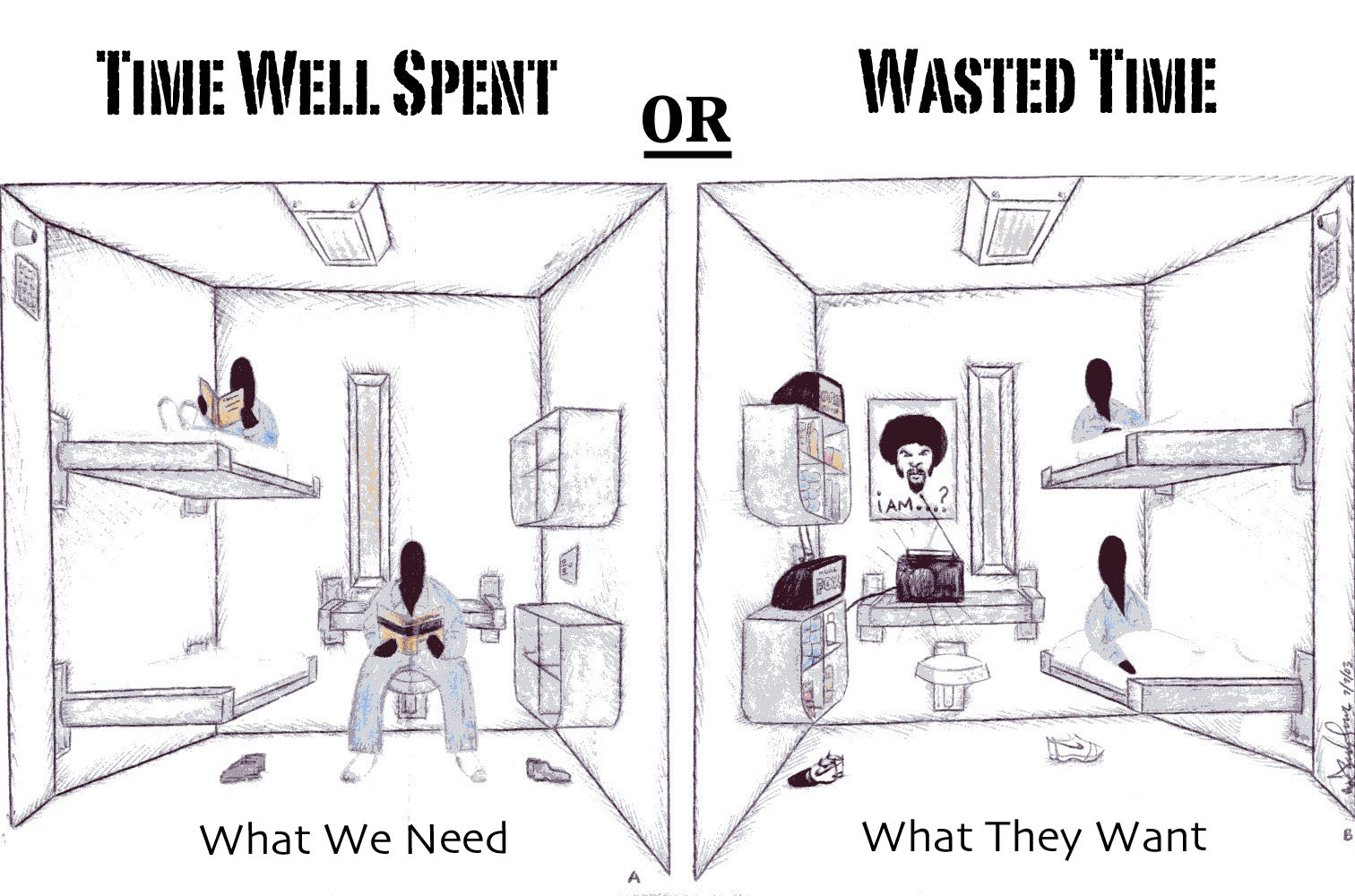
Just as a school must maintain a proper learning environment to encourage students to excel the MDOC needs to create a proper learning environment if they expect to have success with its educational program.  This goes beyond the school environment, if the home environment does not support and encourage education then no amount of school effort will be sufficient.  Likewise unless the MDOC addresses the environment in the housing units, no amount of programming effort will succeed.  Desks, lighting, noise, access to educational resources, distraction from non-students all are issues in the housing units.  At some facilities the MDOC has begun a program of placing vocational education students into designated housing units.  The intent is to create a better living environment that will compliment the learning environment.  The same should be done for ABE/GED students because they need to study outside of the classroom to be successful.  One and a half hours a day in class is not enough time dedicated to academics.  They need mandatory study halls equal to class time or at the least a housing unit environment in which they can study.  Classes need to be taught, not self-taught for Adult Basic Education (ABE) students with reading levels below the 6th grade.  Separate ABE and GED into separate classrooms.  Place more emphasis on reading.  Inmates can’t get anything out of the parole board mandated programing if they can’t read and write.  Do not disrupt class time with other call-outs to medical or other programs by blocking out times in the morning/afternoon for class/study.

While this may sound harsh coming from a former inmate, I believe the MDOC must stop playing games when it comes to inmate compliance with programming requirements.  Good faith effort must be demonstrated by inmates in required programming to achieve parole.  Flop a few guys for trying to skate on their education and more of them will get the message.  Anyone who resists cooperating with required programming is not fit to be released back into society.  While having a zero-tolerance policy for slackers, this must be balanced with the MDOC doing a better job of identifying the truly learning disabled and providing resources for their required programs.


(Update to this post on April 25, 2019)

The 2019 National Teacher of the Year was awarded to a Social Studies teacher who works at a juvenile detention center in Virginia.  He has been studying the school to prison pipeline problem for several years and has published a number of articles and educational curriculum through Yale University.  Among his discoveries he found that empathy not sympathy was an effective way to reach his students.  He encouraged the other teachers and corrections staff to help him create a positive learning environment.   He utilizes materials that include curriculum on race, culture and punishment to help his students understand the system and circumstances that led to their incarceration, and better understand how to avoid future incarceration.  For the next year he will be traveling the country advocating for students and teachers and is looking forward to share the story of his students.  The MDOC needs thinking outside of the box like this to address the deficiencies in its educational programming.

House Arrest

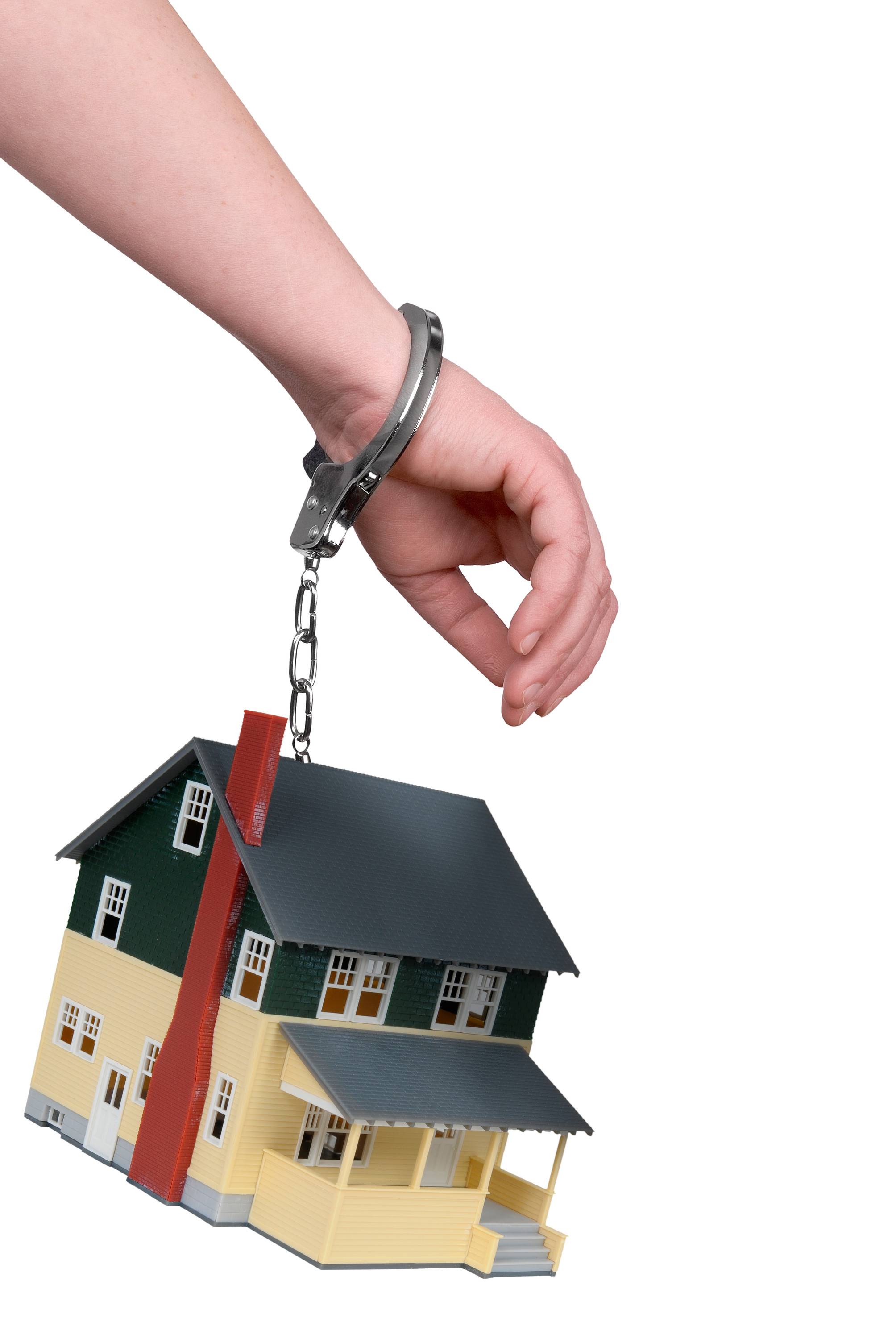
house arrest

Being on parole is not freedom.  Too many guys coming out of prison think that having received a parole that they have earned their freedom, that their sentence is complete.  But that is not the case.  While on parole you are still under the control of the MDOC.  Parole is prison without the razor wire.  You have a parole agent who keeps track of you, meeting regularly to monitor your compliance with the stipulations of your parole specified by the Parole Board.  They have absolute control over whether you stay out or return to prison for any parole violations.  On parole you must successfully complete some specified term living in the community, sometimes with severe limits on where you can go and what you can do.  This varies from person to person and is based on the crime committed and other factors.

A typical parole can last up to 24 months.  The stipulations of the parole generally require that the parolee maintain regular employment.  You must also pay a supervision fee and any outstanding debts incurred during incarceration in addition to any unpaid court costs, fines and restitution associated with the felony conviction.  Frequently programming such as AA or NA may be required for those with a history of alcohol or drug abuse.  Additionally, some receive their paroles with program requirements waved while they were in prison because they were classified as “low risk” to re-offend during a psychiatric examination but must now take programming from an approved vendor as a condition of parole.  Failure to successfully complete programming will result in a revocation of parole.

After the conditions of sever deprivation, loss of personal control and decision making in prison some are so focused on redressing the privations that they quickly violate the terms of their parole.  For some it is satisfying the urge to indulge in their addiction for alcohol or drugs.  For others it is about hustling to get the money together to resume their lifestyle.  However most of these hustles are illegal.  Once a person has been in prison the odds of them returning are greater that they will return to prison than the odds for a person who has never been going for the first time.

tether-e1552099483450.png

To address this problem the MDOC has tightened the conditions of parole in some instances so that it is in actuality “house arrest.”  All excursions from the residence must be approved in advance.  Many are paroled on GPS tether to prevent cheating.  At this level of control, the parolee is practically helpless and becomes reliant on family and friends to take care of many of the tasks that they would like to do for themselves, thus continuing to experience the conditions they experienced in prison.  With this level of control those without a support network are at a severe disadvantage.

Housing itself is a problem.  Transitional housing is in sort supply and in many communities is non-existent.  Those coming out of prison may only have a matter of weeks to find employment and permanent housing before being forced to leave the Parole halfway house.  Then there is the problem of finding affordable housing for those with a felony conviction, especially sex offenders.  Many apartment complexes and landlords will not rent to felons.  In some places such as Oakland Co there are a few rental companies that will but not in every community and not in sufficient numbers to address the current level of demand.

Employment is not as much of a problem as it used to be given the present economic environment.  However more needs to be done to train felons for jobs that pay a living wage.  Many are forced to take minimum wage jobs without benefits or career potential.  The MDOC has made changes to its Employment Readiness initiative over the last few years by revamping their vocational programing but much more needs to be done to ensure that people coming out of prison are employable.  Movements to “Ban the Box” have gained traction in the last few years to at least give felons an opportunity to interview for a job before they are eliminated from consideration for a position in some places like the city of Detroit.

While commendable movements like this are just the tip of the iceberg.  So many are coming out unprepared to hold steady employment due a lack of a basic education or even basic literacy skills.  As a tutor I saw it every day first hand, the lack of interest or desire to join mainstream society.  The smug satisfaction on many of my students faces knowing that they could simply wait out any requirement to earn a GED let alone make satisfactory progress toward earning one and still get a parole.  No thought toward a living a life as a productive member of society.

For many who have served long prison sentences returning to society has significant challenges.  Technology has changed everything: smart phones, the internet, shopping, the workplace, even cars.  Nothing looks familiar to someone who last saw the free world in the 1980s or 1990s.  Life is far more complex than it was, especially from the perspective of someone who has lived a very simple and highly controlled life.  The ability to learn and adopt technology can have a very steep learning curve for someone who isn’t familiar with it.  Then to make it more complicated parole stipulations may prevent the parolee from accessing technology.  Sex offenders are prohibited from having smart phones or computers with internet access.  Some convicted of financial crimes are prevented from having bank accounts.  A convicted murderer on parole has fewer restrictions than many other felonies.

One thing that is certain is that no one really wants to go back to prison but for some it is easier than reintegrating back into society.  What is needed are advocates and mentors; either family, friends or strangers willing to help parolees make the transition.  There are faith-based organizations, church and para-church ministries and other not-for-profit organizations out there that have programs to help.  The problem is that there are not enough organizations, people and resources available in all the places that they are needed.  Secondly, the information available to prisoners preparing for parole is often out of date and incomplete.  Inmates aren’t able to communicate with these organizations easily or effectively to make the necessary arrangements.  Since many don’t have someone on the outside to make arrangements for housing or employment in advance when they are paroled it becomes an immediate crisis.  The last thing a parolee needs is more stress.

Many inmates when preparing for their parole hearing make a Parole Plan in which they lay out what support is waiting for them upon release.  Unfortunately for many it is ‘pie in the sky.’  What looks good on paper in order to impress the parole board may not be worth the paper it is written on.  For example, the employment opportunity that I listed in my Parole Plan was voided by one of the stipulations of my parole.  For some, they are forced to parole back to the county in which they were convicted rather than being allowed to choose a location with more access to resources because they don’t have family there.

Something else to note about parole is that the conditions stipulated by the parole board remain in effect for the duration of the parole.  There is no easing of restrictions based on the completion of certain milestones such as completion of required programing or finding gainful employment.  Parole agents may in some cases have fewer contacts with the parolee but can at anytime show up unannounced to check on you.  For the most part parole is stick and no carrot, there is no reward for cooperation and good behavior.  No graduated easing of restrictions to allow for a true transition back into society.  In some cases, parole officers will make it even more difficult for their parolees by denying requests to approve housing, employment or other activities for reasons that seem mercurial at best.  They may also actively seek to find reasons to revoke a parole or to at least scare the parole with threats of incarceration-the scared straight approach.

While there have been changes to parole in recent years to reduce the number of parole violators being sent back to prison, still more needs to be done.  The MDOC needs to do a better job of preparing the 95% of their inmates that will return to society.  There should be more Reentry programming that focuses on linking those soon to be paroled with agencies and organizations that will be able to provide access to services, programs, resources in the area where they will be paroling.  Access to employment services including in-prison hiring interviews, pre-enrollment for Social Security, Veterans benefits, and Medicaid would go a long way to preparing parolees for success.  Parole should be a transition, not more punishment.  A way to help put the parolee on the right track rather than a revolving door back to prison.


A report published by the PEW Charitable Trust entitled “Policy Reforms Can Strengthen Community Supervision – A Framework to Improve Probation and Parole” was published on April 23, 2020. This report documents many of the issues that I identified in my article and some of the new ideas being incorporated by some agencies to address the problems that lead to re-incarceration. A PDF copy of the report is attached if you would like to learn more about this issue.

Tether Ball and Chain

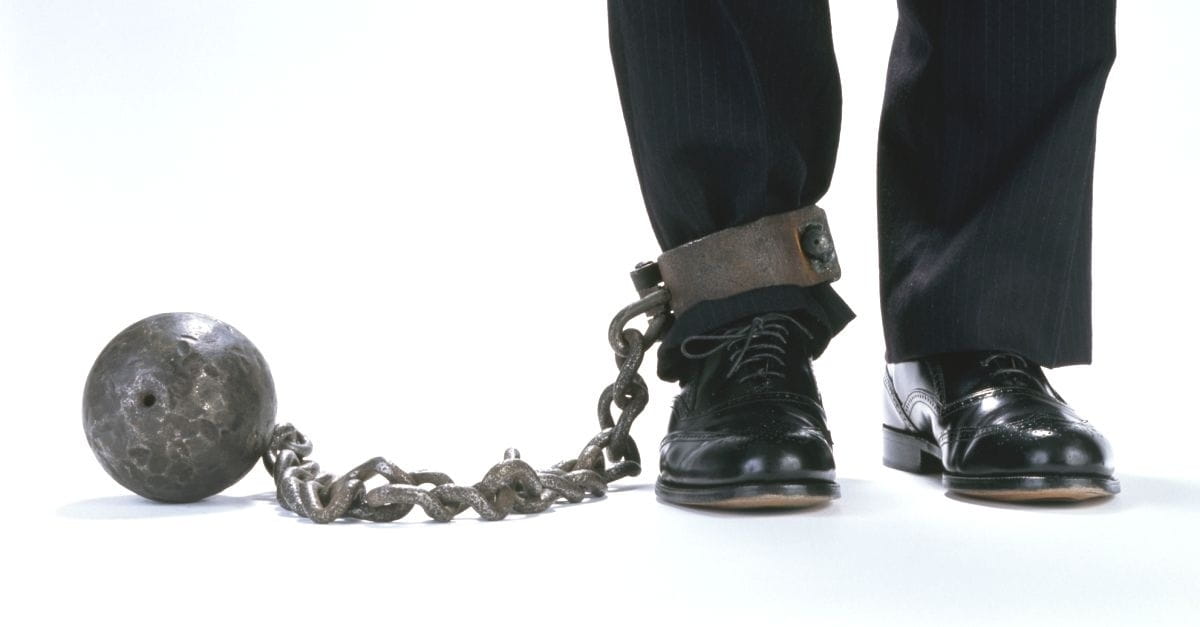
ball and chain

As a condition of my parole I had to wear a GPS tether.  Tethers have become a common tool utilized both for parole and for those on bond awaiting trial.  It provides a way to control moderate risk individuals without having to incarcerate them.  Tethers come in two standard types. Alcohol tethers are used to monitor an individual and raise an alert if alcohol is consumed in violation of their parole conditions.  GPS tethers monitor an individual’s location to within 3 feet. This is useful for those serving house arrest or have restrictions on where an individual is allowed to travel.  Sounds reasonable right?

Like so many other things associated with the MDOC the reality of the situation is not at all like the theory.  While placing a person on tether means that they are not locked up and costing the state $23,000 per year, in fact it doesn’t cost the state anything, the person being monitored is required to cover the cost.  In the case of GPS tether the fee charged is around $363 per month. For a 24-month parole that is $8712.  Making monthly payments is a requirement of parole.  Failure to do so is a parole violation and could send you back to prison.  While I didn’t have to pay the full amount every month I had to pay something.  Any unpaid amount remaining at the end of the parole would be turned over to a collection agency.

Those on GPS tether not only have their every movement tracked.  Every movement away from home must be scheduled and approved in advance by your parole agent.  The date, time, location, and purpose of the trip had to be disclosed.  No spur of the moment decisions like running to the corner store for milk when you run out or accepting an invitation for coffee today. Life becomes deliberate, ordered, and simplified, in other words a lot like prison.

Parole is supposed to be a transition period from the controlled environment of prison back into society.  But where is the transition? Parole conditions remain static during the entire parole period.  There were no milestones that would restore additional freedoms, such as successful completion of programming, successful drug screenings, or attaining gainful employment.

As with everything else associated with the MDOC it’s all stick and no carrot.  At the time that the GPS tether was attached to my leg, I was informed that if I was to cut it off in an attempt to abscond from parole I would be subject to a $10,000 fee for what is at most a $100 piece of electronics.  GPS tethers are another example of a contracted service.  Somebody, sometime, sold the state a bill of goods scheme to make money for themselves and the department.  While I was in prison the rumor was that the state had bought 10,000 tethers in preparation of a move to reduce the prison population by increasing the number of people granted parole at their ERD.  While the parole rates have increased and prison population has decreased I can’t say for certain whether or not tethers played a role in this. All I know is that my decision regarding a plea agreement in my case was predicated on the low odds of receiving a parole at my ERD.  When I did receive my parole at my ERD, it was evident that something had changed. And that if the current conditions had prevailed at the time of my sentencing I have pursued a different plea.  But that is water under the bridge.  You can only make decisions based on the present, not an unknown future.

GPS tethers are routinely used as a condition of bail for those considered a moderate flight risk.  A recent case brought out an interesting bit of information.  A youthful offender accused of a violent crime was denied bail even with a GPS tether because the prosecution claimed that the tether could be cut off on a Friday evening and that there would be no one to follow-up on the abscondsion until Monday, thus giving the accused 2 days to flee.  This claim doesn’t jive with my experience.  If I was out of place the tether would alert me and if I didn’t get home within 10 minutes, I could expect a call from the monitoring center inquiring as to my whereabouts.  If I did not respond to a phone call the tether could be remotely triggered to alert me to call in.  I find it difficult to believe that if I failed to respond to repeated attempts to contact me that my parole agent wouldn’t be alerted, even on the weekend.  While parole agents don’t work 24/7 there is always somebody on duty and no doubt the police would be notified certainly in less than the 2 days claimed by the prosecutor.  Because if that is the case there is 2/7 of the time a gaping hole in the system.

At my first meeting with my parole agent I was informed that the tether required 2 hours to recharge every day.  One twelfth of every day for 2 years was spent sitting in a chair plugged into an electrical outlet, 1460 hours or 60.83 days give or take of enforced down time.  The tether connects to the charger using magnets so I did not trust myself to try and recharge while sleeping since rolling over under the covers could dislodge the charger.

I also did not get a good night’s sleep while wearing the tether.  It was loose on my ankle and if I slept wrong it could get pinned between my leg and the bed.  That was enough at times for the tether to lose contact with the GPS satellite.  When that happened, the tether would flash a warning light and vibrate.  Generally, that was enough to wake me up.  Then I would have to get up and move around in order to reestablish contact.  At times it was even necessary to go outside under the open sky to make contact.  At least a hand full of times I got called because my GPS was triggered by the loss of signal while I slept.

I had heard stories of guys using aluminum foil to block the signal of their tether for short periods of time to sneak off without disclosing their true location.  They probably lied about their whereabouts to the monitoring agent.  I never could understand how my body could shield the GPS signal in my own one-story house, while I could ride up an elevator in an office building without incident.  I guess it just goes to prove that this technology isn’t fool proof.  In my experience serving parole on GPS tether is a lot like boat ownership.  The happiest days are the first and last, and it is an expensive hobby with lots of hidden responsibilities.

Parole Violation

sd-ljl-sponsored-columns-law-offices-vikas-bajaj-parole-violations-20171018A rapper that I’ve never heard of made the news by being in prison.  It’s not what you think.  Famous people from entertainment and sports were coming to aid in his cause. He had been serving a 10-year probation and was sent to prison for a technical violation. He had apparently been charged for an infraction of the motor vehicle code involving a motorcycle.  The charges were dropped but the judge still sent him to prison against the recommendation of the prosecutor.

I’ve met a number of people who were in the same boat.  Committing a crime while on probation or parole is a violation of its terms and even if you weren’t in prison before as part of your original case you can still end up there.  The problem is that you don’t have to actually be convicted, just having police contact is enough to set things in motion.

To address the parole violation situation in Michigan, instead of sending parole violators back to Quarantine they are sent to the Parole Reentry Center in Detroit, a former prison. Your parole officer can take you there directly while you await a hearing with the parole board or a judge.  The problem is like the rapper you can be sent to prison for up to the maximum length of your remaining sentence on a technicality.  While on parole or probation you are considered guilty until proven innocent and you are not subject to due process.  This means that they can do whatever they want and you have no legal recourse.

Now it is not as bad as it used to be.  There have been significant changes made to reduce the number of parole violators being sent back to prison.  It is expensive to house them and does not address the underlying causes of recidivism.  Now things like substance abuse counseling, restriction to approved activities or even house arrest may be used.  In the case of the rapper it was the judge herself that chose to put him behind bars.  Sure, he had a poor track record with a number of previous violations but this time was without merit.  It took a great public outcry to get him released.  What about the others that don’t have such powerful allies?  It is clear that the system both in Michigan and nationally is broken when someone like a judge or parole board member can defy counsel or the regulations to impose a punishment.  If anyone else was to do this they would be called a vigilante and themselves be subject to punishment.  The difference being that they would get due process.