Reform Solitary Confinement Practices in Michigan Prisons Now!

May is Unlock the Box Mental Health Awareness Month.  The Unlock the Box Campaign is a coalition of organizations and movement leaders who partner with state and local campaigns across the United States with the common goal of ending the use of solitary confinement for all people. Currently active in 22 states and the District of Columbia, including Michigan.  Open MI Door is the organization leading the fight in Michigan.  OMD is seeking to affect policies and practices in all Michigan prisons, jails, and juvenile facilities.  Current focus is on ensuring transparency, accountability, and independent oversight in the use of isolation and in conditions of confinement in general.

The statistics regarding the effects of solitary confinement are alarming.  Right now, there are at least 122,000 people being held in solitary confinement in the United States.  Over a third of people subjected to solitary confinement become psychotic and/or suicidal within the first 15 days.  Individuals who have been in solitary confinement are 78% more likely to commit suicide within a year of their release from prison.

The Michigan Department of Corrections, or MDOC, does not usually use the phrase “solitary confinement” in its internal rules. Instead, it describes the practice as “segregation” or “restrictive housing.” That language matters, because bureaucratic terms can make an extreme practice sound routine. But the reality described in the department’s own policy materials and in the references collected here is unmistakable: segregation means isolating people from the general prison population, often for 23 to 24 hours a day, with sharply restricted movement, limited human contact, and minimal access to ordinary programming. MDOC policy presents segregation as a management tool used for discipline, control, and protection, while critics argue that it functions as a deeply harmful form of isolation that causes lasting psychological damage and undermines rehabilitation.
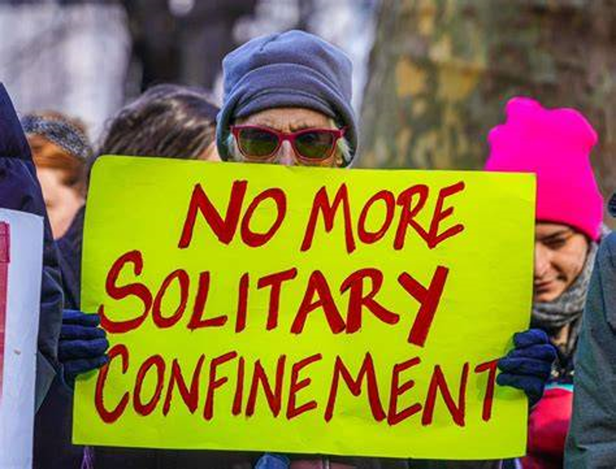
Michigan’s system illustrates the central contradiction in the national debate over solitary confinement. Prison administrators defend segregation as necessary in some cases to manage violence, serious misconduct, escape risk, or threats to vulnerable prisoners. At the same time, decades of reporting, advocacy, and international human-rights standards have increasingly challenged prolonged isolation as unsafe, inequitable, and incompatible with basic human dignity. Even MDOC’s own reporting shows that the department has sharply reduced administrative segregation over time, suggesting that the state itself recognizes that heavy reliance on this practice is neither inevitable nor desirable. The question is no longer whether segregation is severe. The question is whether Michigan should continue to rely on it in its current form. The strongest answer, based on the material in this document and the cited sources, is no: prolonged segregation should be discontinued and replaced with tightly limited, reviewable, therapeutic, and safety-focused alternatives.

What Segregation Means in the MDOC

According to MDOC policy, segregation is not a single category but a system with several forms. Temporary segregation is short-term isolation used while staff investigate alleged misconduct or await a hearing. Punitive segregation is imposed as a disciplinary sanction after a person is found guilty of a major misconduct violation. Administrative segregation is the most troubling category because it can become long-term. It is reserved for people that the department considers serious threats to institutional safety, major escape risks, unmanageable in general population, or in need of protective separation. On paper, each category has a different purpose. In practice, all three involve versions of extreme separation from ordinary prison life.

The living conditions are severe. People in long-term segregation may spend nearly the entire day alone in a cell of roughly 70 to 80 square feet. Human interaction is drastically limited. When they leave the cell, they may be shackled. Exercise is restricted and often takes place in enclosed spaces rather than meaningful recreation areas. Meals are delivered through a slot in the door. Showers and other basic activities are tightly controlled. These are not incidental inconveniences. They are the core features of an environment built around deprivation, surveillance, and social isolation.
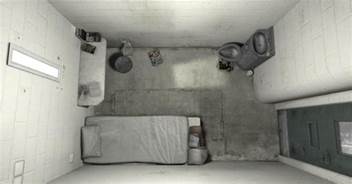
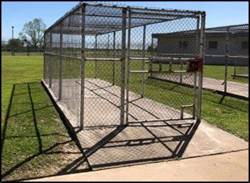
What a typical solitary confinement cell looks like.
What an exercise cage looks like.

MDOC also emphasizes that segregation is regulated through reviews. Placement decisions are supposed to be examined by a housing unit team, the Security Classification Committee, wardens, and in longer cases higher-level administrators. Those review requirements are important, but they do not erase the underlying harm of isolation. The system can be procedurally structured and still be substantively damaging. If the practical result is that a person spends months or years in near-total isolation, repeated reviews do not change the nature of the confinement. They only document it.

Why MDOC Uses Segregation

MDOC’s own policy language makes its rationale clear. Segregation is used, in the department’s words, to achieve effective administrative management, maximum disciplinary control, and individual prisoner protection. That means the practice is justified on three main grounds. First, it is used as punishment for major misconduct. Second, it is used as a security tool when officials believe someone presents a danger to staff or other incarcerated people. Third, it is used, at least sometimes, to separate people who may themselves be at risk of harm in the general population.

Those reasons are not frivolous. Prisons are coercive environments, and correctional administrators are responsible for preventing violence and responding to emergencies. There are situations in which immediate separation is necessary. A person who has just committed a serious assault, threatened staff, or faces a credible risk of being attacked may need to be removed quickly from the general population. Any honest analysis should acknowledge that reality. The problem is that a short-term emergency separation tool is not the same thing as a long-term isolation regime. What may be justified for hours or days becomes far harder to justify when it stretches into weeks, months, or years.

Michigan’s own recent policy developments suggest that the state understands this distinction. The department has reported large reductions in segregation since 2008 and has developed Structured Alternative to Administrative Segregation (START) units as alternatives for some prisoners with serious mental illness. Those reforms implicitly recognize that segregation has often been overused and that at least some of the people once held there can be managed differently. If safer alternatives exist for many cases, then prolonged segregation is less a necessity than a policy choice.

What the Outcomes Show

One of the clearest outcomes in the record is that Michigan has reduced its use of administrative segregation substantially. The data table shows a decline from 479,791 total segregation days and a daily average population of 1,314 in fiscal year 2007–2008 to 102,395 days and a daily average of 281 in 2024–2025. That is a dramatic drop. It undermines any claim that Michigan must rely on segregation at the levels it once did. If the prison system can function with far fewer people in administrative segregation than it held there in 2008, then the older level of use was not an unavoidable feature of prison management. It was an institutional practice that could be changed.
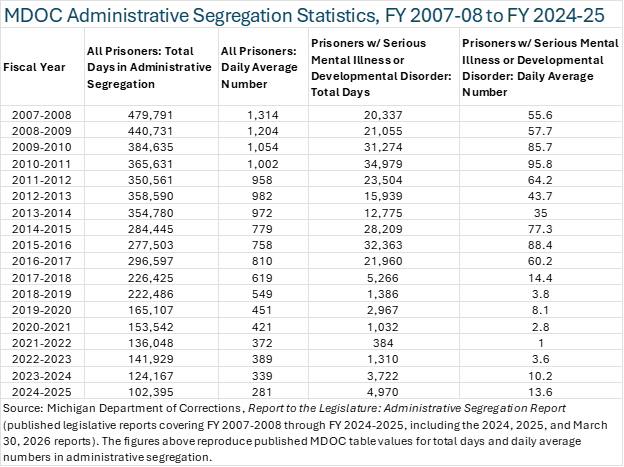
At the same time, a reduction in volume does not resolve the moral and practical concerns. Hundreds of people are still held in administrative segregation, and some remain there for periods exceeding 3, 6, or 12 months. That matters because the harms of segregation are not measured only by how many people are isolated, but also by how long the isolation lasts. The United Nations Nelson Mandela Rules define solitary confinement as confinement for 22 hours or more a day without meaningful human contact, define prolonged solitary confinement as anything beyond 15 consecutive days, and prohibit indefinite and prolonged solitary confinement as inconsistent with minimum standards for humane treatment. Michigan’s own reports showing people in segregation for months or longer place the state in direct tension with those standards.
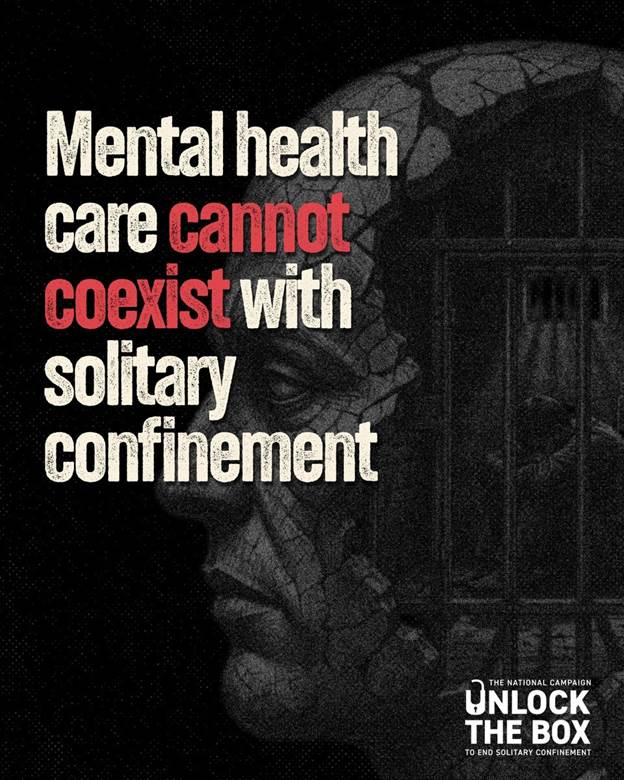
The human outcomes described in the references are equally serious. Advocates, family reports, legal analyses, and broader research on solitary confinement consistently associate prolonged isolation with anxiety, depression, cognitive deterioration, self-harm risk, hopelessness, and worsening symptoms for people with mental illness or developmental disabilities. Even when corrections officials present segregation as a safety measure, the evidence suggests that isolation can destabilize the very people the institution is trying to manage. That creates a damaging cycle: distress leads to misconduct, misconduct leads to more isolation, and more isolation deepens distress.

There are also broader institutional outcomes. Segregation can make reentry into the general prison population harder by eroding social functioning and increasing distrust. It can also make release into the community more dangerous when people leave prison directly from highly isolating conditions without adequate step-down support. And the practice appears to fall unevenly across the prison population. The materials in this document point to racial disparities in segregation use, with Black men overrepresented in segregated housing compared with their share of the overall prison population. That raises an additional reform concern: segregation is not only severe but may also be administered inequitably.
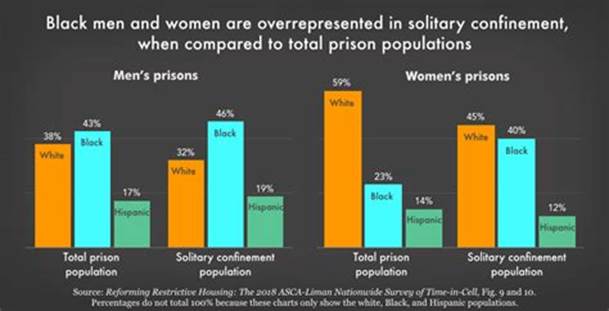
Additional support for ending prolonged segregation comes from the Unlock the Box campaign, a national coalition focused on abolishing solitary confinement in the United States. The campaign argues that solitary is not only harmful but also counterproductive. Its public materials describe solitary confinement as extreme isolation for 22 or more hours a day, note that an estimated 85 percent of people in solitary are there for nonviolent disciplinary reasons, and report that as many as one-half of those in solitary live with mental illness that isolation can worsen. Unlock the Box also emphasizes that prolonged solitary confinement does not make prisons or communities safer, and that people of color are disproportionately subjected to it beyond their already disproportionate representation in prison populations. Those points reinforce the case that prolonged segregation in Michigan should not be treated as an unfortunate but necessary norm; it should be understood as a policy choice with predictable harms and unequal effects that demand correction.

Segregation and Human Rights

The international human-rights case against prolonged segregation is powerful and increasingly specific. The United Nations Nelson Mandela Rules do not treat isolation as a neutral administrative option. They treat it as a practice requiring strict limits because of its potential to become cruel, inhuman, or degrading treatment. Under those rules, prolonged solitary confinement means more than 15 consecutive days, and indefinite solitary confinement is prohibited. The rules also emphasize that solitary confinement should be used only in exceptional cases, as a last resort, for the shortest possible time, and subject to independent review. They further state that it should not be used when a prisoner’s mental or physical disability would be exacerbated by the measure.

Measured against that standard, Michigan’s regime raises serious concerns. The state may call the practice administrative segregation, temporary segregation, or punitive segregation, but a change in terminology does not change the lived reality of isolation. If a person is locked down for 22 to 24 hours a day with little meaningful human contact, then the practice falls within the human-rights framework developed by the United Nations. And if that confinement continues for months, as Michigan’s own reports show happens in some cases, then the state is operating beyond the threshold the Mandela Rules identify as prolonged solitary confinement.

Some defenders of the current system argue that prison safety justifies these departures. Safety is important, but human-rights standards already account for that argument. The Mandela Rules do not forbid every temporary emergency separation. They forbid turning isolation into a routine or open-ended instrument of prison governance. That distinction is crucial. A correctional system can protect staff and prisoners while still rejecting prolonged solitary confinement. In fact, Michigan’s own reduction in segregation usage suggests that reform is compatible with institutional order. The human-rights issue is therefore not whether prison officials ever need tools for emergency separation. It is whether the state should keep using prolonged isolation after it knows the damage it causes and after alternatives have already been shown to exist.

Should Michigan Discontinue Segregation?

If the question means whether Michigan should eliminate every form of temporary emergency separation, the answer is probably no. Prisons need a narrow capacity to separate people immediately after violence, during investigations, or when a person faces an imminent threat. But if the question is whether Michigan should discontinue prolonged segregation as a standing correctional practice, the answer should be yes. Long-term isolation should end.
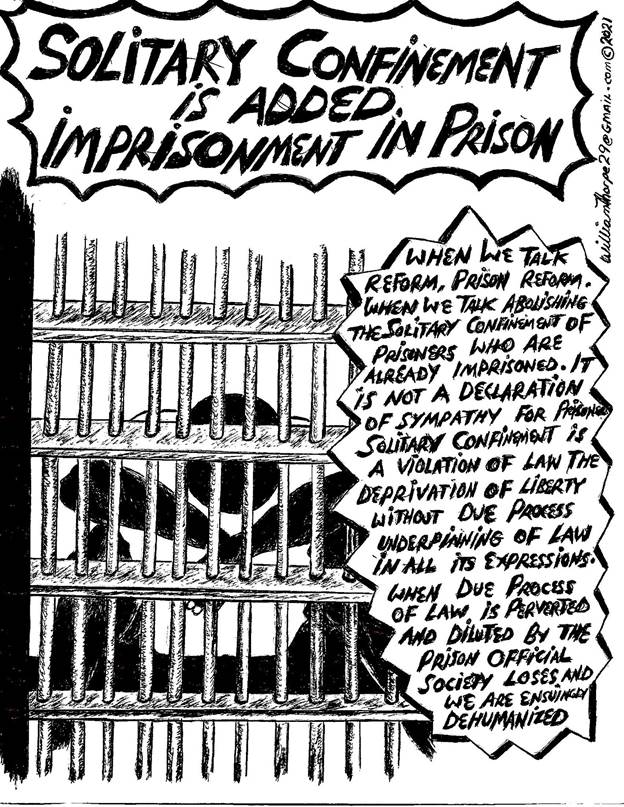
There are several reasons for that conclusion. First, the harms are too severe. Segregation can intensify mental distress, undermine stability, and damage the social capacities people need both inside prison and after release. Second, the practice is inconsistent with modern human-rights standards once it extends beyond very short periods. Third, the state’s own declining segregation numbers show that Michigan can reduce its use substantially without abandoning prison administration altogether. Fourth, indefinite or months-long isolation invites arbitrary and unequal outcomes, especially where racial disparities and mental health concerns are already present.

Discontinuing prolonged segregation does not mean ignoring violence or misconduct. It means replacing a blunt and damaging tool with more precise responses: short emergency separation, intensive mental-health intervention, structured step-down units, restorative or behavior-based programming, and individualized safety planning for those who need protection. A prison system committed to safety should prefer methods that reduce future harm rather than deepen it.

What Reform Should Look Like

Real reform in Michigan should begin with a clear legal time limit that brings state practice closer to the Mandela Rules. The legislature should prohibit prolonged solitary confinement, ban indefinite segregation, and require meaningful out-of-cell time, programming, and regular independent review for anyone held apart from the general population. People with serious mental illness, developmental disabilities, and other especially vulnerable conditions should not be placed in isolating units that predictably worsen their condition.

Reform should also require transparency. Michigan already reports some segregation data, but durable accountability needs more than aggregate totals. Public reporting should include duration, facility-level usage, demographic patterns, mental-health status, reasons for placement, and release pathways from segregation. The point of transparency is not only to monitor numbers; it is to expose whether the system is relying on isolation as a substitute for staffing, treatment, training, or conflict resolution.

Finally, reform must include culture change. Segregation survives not only because policies authorize it, but because institutions become accustomed to treating isolation as normal. That habit is hard to break. Michigan should invest in staff training, behavioral de-escalation, therapeutic housing, and transition units that prepare people to return safely to prison programming and eventually to the community. If the state is serious about rehabilitation, it cannot continue to rely on a practice that strips people of meaningful human contact and then expects them to emerge healthier, safer, or more prepared for life after incarceration.
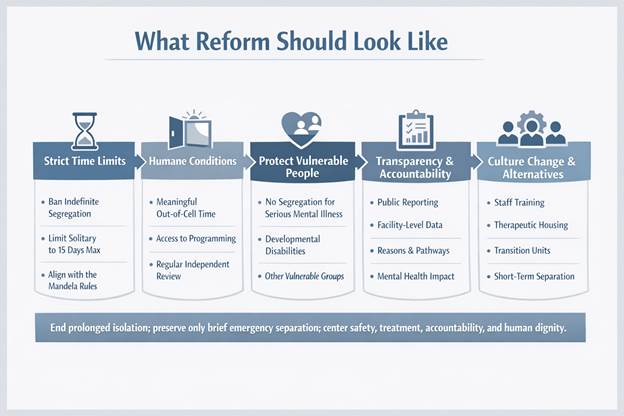
Unlock the Box also helps clarify what reform can look like in practice. Its campaign materials highlight legislative approaches that prohibit solitary confinement beyond 15 days in line with the Mandela Rules, create independent oversight, protect vulnerable groups, and in some proposals reduce isolation for emergency de-escalation to only a few hours while requiring safe and humane alternatives. That framework supports a practical reform agenda for Michigan: narrow the grounds for separation, impose strict time caps, expand therapeutic and program-rich alternatives, increase meaningful out-of-cell time, and ensure that any temporary separation is genuinely brief and tied to a clear transition plan back to less restrictive conditions.

Segregation in the Michigan Department of Corrections was built on the idea that isolation can produce order. The evidence suggests something more complicated and more troubling: isolation may sometimes create temporary control, but it does so at high human cost and with serious legal and moral consequences. Michigan has already shown that it can reduce segregation. The next step is to go further by ending prolonged isolation, preserving only tightly limited emergency separation, and building a correctional system centered on safety, treatment, accountability, and human dignity.

Open MI Door is fighting for the passage of bill SB493, which seeks to expand the powers and duties of the Legislative Corrective Ombudsperson’s Office as a meaningful step forward in bringing our state into full compliance with the UN’s Mandela Rules.  If you know someone in prison or who has been in prison check out the mental health resources available on the OMD website.

References

Michigan Department of Corrections. Policy Directive 04.05.120: Segregation Standards. Effective June 1, 2019.

Michigan Department of Corrections. Report to the Legislature: Administrative Segregation Report. March 30, 2026.

United Nations General Assembly. United Nations Standard Minimum Rules for the Treatment of Prisoners (the Nelson Mandela Rules), A/RES/70/175. January 8, 2016.

U.S. Department of Justice. Report and Recommendations Concerning the Use of Restrictive Housing. January 2016.

Luigi, M., Dellazizzo, L., Giguère, C.-É., Goulet, M.-H., & Dumais, A. “Shedding Light on ‘the Hole’: A Systematic Review and Meta-Analysis on Adverse Psychological Effects and Mortality Following Solitary Confinement in Correctional Settings.” Frontiers in Psychiatry, 11 (2020).

Vera Institute of Justice. The Impacts of Solitary Confinement. April 2021.

Unlock the Box Campaign. About Us; Resources: Solitary by the Numbers; and Experience. Accessed May 16, 2026.
https://unlocktheboxcampaign.org

https://openmidoor.org/

Sunshine Laws and the Black Box of American Prisons

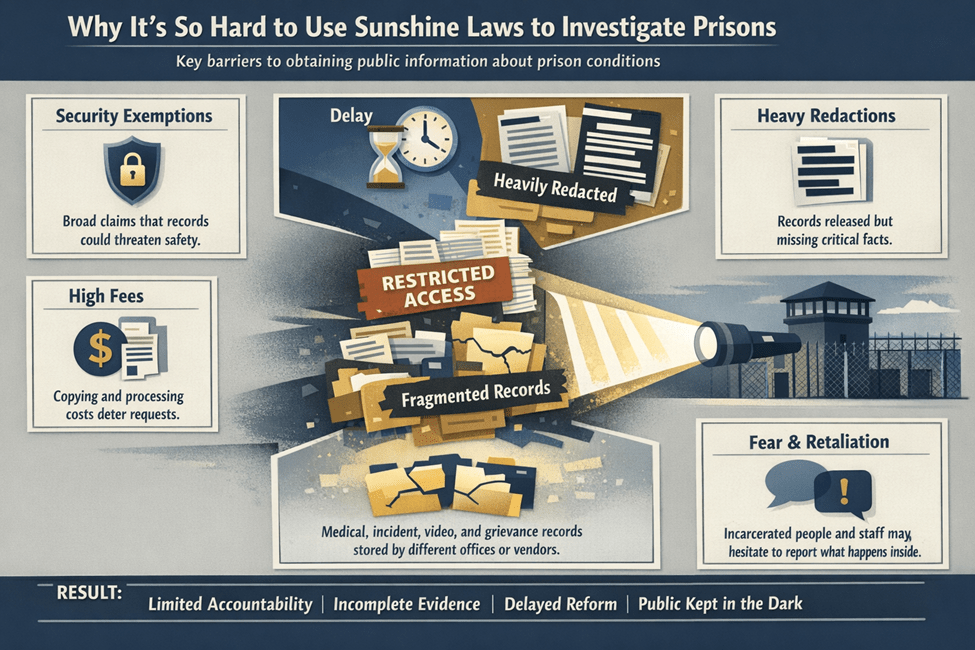
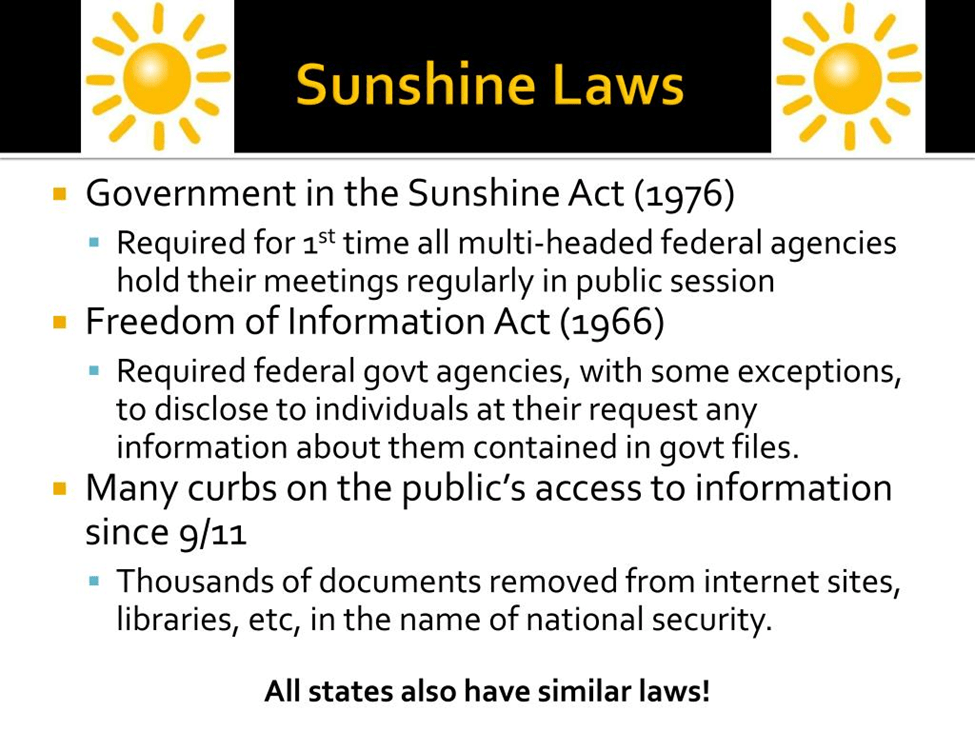
In theory, the United States has long embraced the idea that democracy depends on public access to government information. At the federal level, the Freedom of Information Act created a formal pathway for requesting records. In every state, some version of a public records law, open meetings law, or “sunshine law” is supposed to let the public see how government power is exercised. But prisons expose the limits of that promise. Few state institutions exercise more power over daily human life than prisons and jails, yet few are more difficult to examine from the outside. Families, journalists, researchers, lawyers, and advocates often find that the closer they get to questions about medical neglect, solitary confinement, use of force, staffing failures, or deaths in custody, the more the system closes ranks.

This tension sits at the center of any serious discussion about prison conditions in the United States. Sunshine laws are designed to make government visible. Prisons are often structured to remain opaque. The result is a constant struggle over records, inspections, grievance data, disciplinary reports, surveillance footage, contracts, and even basic statistics. The public may assume that if abuse is serious enough, the facts will eventually come out. In practice, information about prison conditions is often delayed, redacted, fragmented, prohibitively expensive to obtain, or withheld outright under broad claims of security, privacy, or administrative burden. Even when records are released, they may arrive months or years too late to prevent harm. That gap between the ideal of transparency and the reality of incarceration is one of the defining accountability problems in American public life.

What Sunshine Laws Are Supposed to Do

“Sunshine laws” is a broad label for the rules that require government openness. They usually include two related ideas: the right to access government records and the right to observe certain government meetings. At the federal level, FOIA applies to federal agencies. At the state level, public records laws differ sharply from one jurisdiction to another. Some states have relatively strong disclosure requirements, short deadlines, and meaningful appeal mechanisms. Others have broad exemptions, weak enforcement, and long delays. Recent reporting and transparency guidance continue to emphasize that all 50 states have some form of open records law, but the strength of those laws varies dramatically, creating a patchwork rather than a uniform national standard [1][2]. In ordinary civic life, sunshine laws help citizens inspect budgets, contracts, policy memos, emails, meeting minutes, and enforcement records. They are meant to deter misconduct by making secrecy harder. But in the prison context, open records requests often collide with agencies that are institutionally resistant to outside scrutiny. Corrections departments routinely argue that disclosure could compromise safety, reveal security procedures, invade privacy, or burden staff. Some of those concerns are legitimate in limited circumstances. Many are also used expansively, turning narrow exemptions into broad shields against public oversight. That is why prison transparency often depends not only on the text of a sunshine law, but on whether requesters have the time, money, and legal support to fight denials.

Why Prisons Are So Hard to See Clearly

Prisons are closed institutions by design. They are physically isolated, highly bureaucratic, and controlled by agencies that manage movement, communication, and information at every level. The people with the most direct knowledge of conditions inside are incarcerated people and correctional staff, but each faces pressures’ that can suppress what becomes public. Incarcerated people may fear retaliation for filing grievances or speaking to reporters. Staff may be constrained by institutional loyalty, labor concerns, or fear of discipline. Families are often dependent on sporadic phone calls, letters, or visits. Journalists usually cannot enter freely, and researchers may face lengthy approval processes or be denied access entirely. When an institution is both coercive and insulated, independent fact-finding becomes unusually difficult.

The problem is compounded by fragmentation. Information about prison conditions is rarely stored in one clean, public archive. Medical records may be held by a private contractor, Staffing data by the corrections department, Death investigations may involve internal affairs units, county coroners, state inspectors general, or local prosecutors. Video footage may be retained under separate policies with short deletion windows. Use-of-force incidents may generate incident reports, witness statements, body camera or fixed camera files, disciplinary findings, and lawsuit records, all governed by different rules. By the time a requester figures out who has what, some of the most important evidence may already be gone.

A Patchwork of Laws, Exemptions, and Delay

One of the biggest barriers to understanding prison conditions is that there is no single transparency regime. Federal prisons are subject to federal law, while state prisons and local jails are governed primarily by state and local rules. That means nearly identical requests can produce completely different outcomes depending on where a facility is located and how aggressively an agency interprets its exemptions. Recent analyses of detention-related records requests have shown that the same kinds of documents may be released in one jurisdiction and withheld in another, not because the public interest differs, but because the legal framework does [3][4].

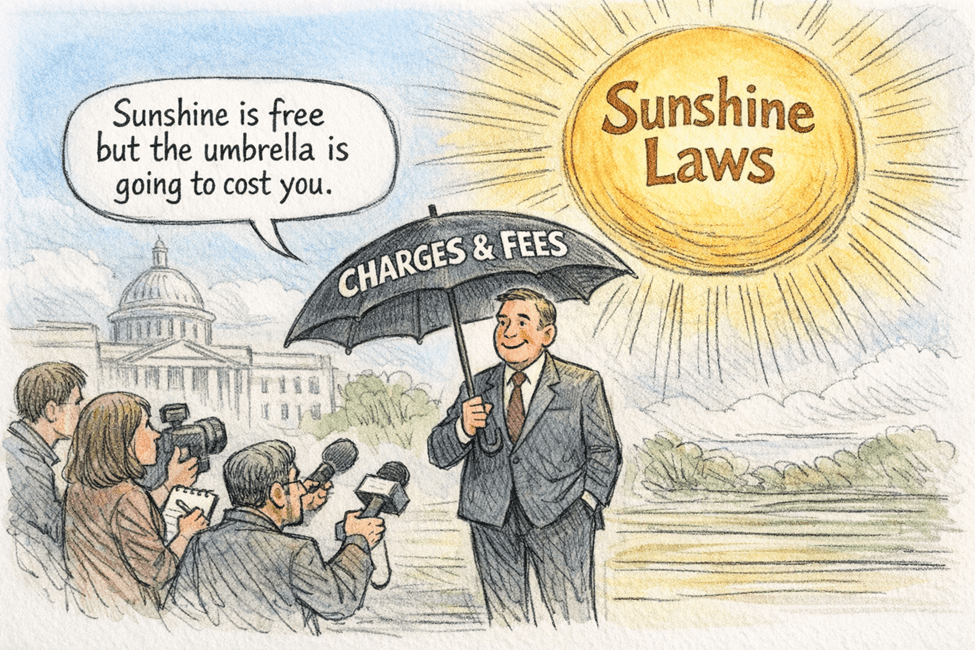
Agencies often rely on a familiar set of justifications: security exemptions, law-enforcement exemptions, ongoing investigation exemptions, personal privacy protections, and vague claims that records do not exist in the form requested. Some departments demand high copying or processing fees. Others delay so long that the requester is forced to sue or abandon the effort. The Marshall Project recently described public records battles in which agencies stalled for years or quoted costs of thousands of dollars before handing over information, underscoring how formal access rights can be undermined in practice [5].

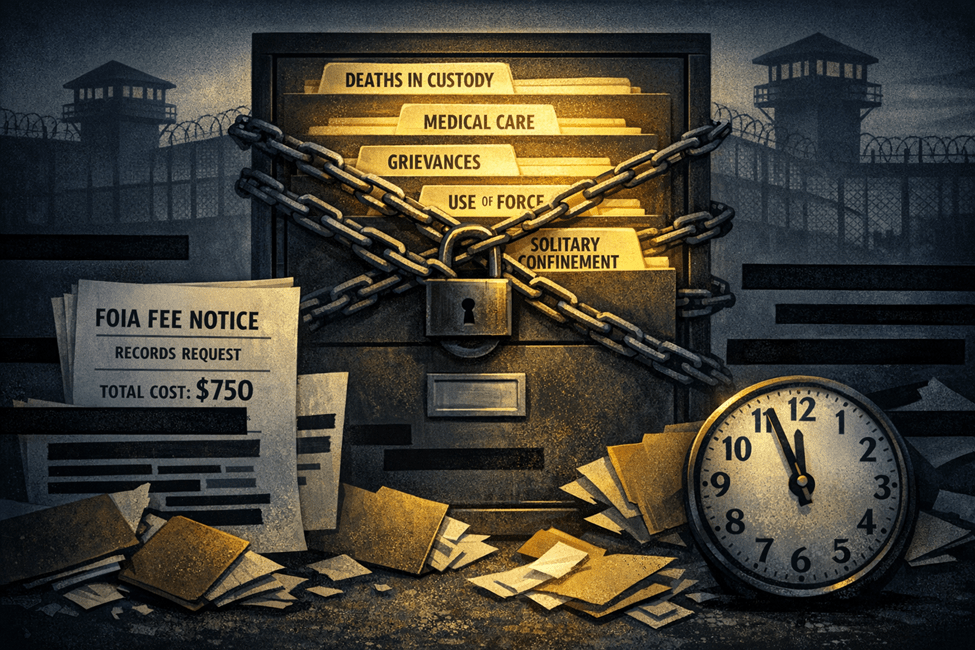
Delays are especially damaging in the prison context because conditions can change quickly and evidence can disappear. If a family is trying to understand a relative’s death, if a reporter is investigating an outbreak, or if advocates are tracking lockdowns and medical neglect, information delivered a year later is not the same as meaningful transparency. Records may also be incomplete or inaccurate. Missing pages, heavy redactions, inconsistent coding, and contradictory incident descriptions can make it nearly impossible to reconstruct what actually happened. In that sense, opacity is not just about outright refusal. It is also about producing information in forms that are technically compliant but substantively unhelpful.

The Information the Public Most Needs Is Often the Hardest to Get

Some of the most important records concern death, illness, injury, and grievance systems. How many people died in custody last year? How many suicides were preceded by warning signs? How long were people waiting for specialist care? How many grievances alleged staff assault, denial of medication, exposure to extreme heat, or retaliation? These are not abstract management questions. They are core indicators of whether a government institution is meeting minimal constitutional and human obligations. Yet these data are often difficult to access in timely, usable form. Recent state legislative trends have focused on requiring more public reporting about deaths in custody and creating new oversight structures precisely because this information has historically been so hard to obtain [6][7].

Other categories are equally revealing and equally contested: the use of solitary confinement, frequency of lockdowns, staff vacancy rates, incidents involving chemical agents, and allegations of sexual abuse or excessive force. These records tell the public whether harsh conditions are exceptional or routine. But corrections agencies often resist publishing them in standardized formats. A recent resource from The Remedy Project, drawing on nearly 25 years of federal grievance data obtained through FOIA, demonstrates both the scale of public interest and the extraordinary effort required to make such information visible. According to that project, the data includes 1.78 million grievance-related records from the federal administrative remedy system, a reminder that crucial insight into prison conditions may exist for years before the public can actually see it [8][9].

Why Transparency Matters Beyond Curiosity

Transparency about prison conditions is not a niche concern for criminal justice specialists. Prisons are publicly funded institutions that exercise state power in its most coercive form. Taxpayers fund them. Legislators regulate them. Courts review them. Communities absorb the consequences when people are released from facilities marked by violence, neglect, untreated illness, or chronic isolation. Without reliable information, oversight becomes performative. Public debate shrinks to slogans. Agencies can claim that conditions are improving without producing evidence, and lawmakers can avoid difficult reforms by pleading ignorance.

Transparency also matters because the alternatives are weak. Litigation can expose abusive conditions, but lawsuits are slow, expensive, and narrow. Courts usually address specific claims after harm has already occurred. Scholars and advocates have long argued that the United States relies too heavily on litigation as a substitute for ordinary, independent oversight of prisons. Recent commentary on prison oversight has emphasized how unusual that is compared with other public institutions and how many states still lack external, independent prison oversight bodies altogether [10].

Signs of Progress, but Not Yet a Culture of Openness

There are signs of movement. At the federal level, the Brennan Center for Justice has explained that the 2024 Federal Prison Oversight Act created new mechanisms for regular inspections and public reporting in the federal system. The law responds to years of reporting and official findings about preventable deaths, sexual abuse, staffing failures, and deteriorating facilities. The U.S. Department of Justice Office of the Inspector General has likewise continued to identify chronic problems in the Federal Bureau of Prisons, including staffing shortages, infrastructure failures, healthcare deficiencies, contraband, and sexual abuse by staff. These developments matter because they recognize a basic truth: Conditions inside prisons do not improve reliably when agencies are left to monitor themselves [11][12][13].

At the state level, lawmakers in several jurisdictions have begun requiring more disclosure around deaths in custody, inspections, and ombudsman oversight. But the broader picture remains uneven. New reporting mandates in one state do nothing for families in another. A dashboard created by an advocacy group may illuminate federal grievance trends, while a neighboring county jail still provides almost no public information beyond population counts. Reform is happening, but it is additive and piecemeal, not systemic. The culture of corrections administration in much of the country still treats outside scrutiny as a threat rather than a public obligation.

What Meaningful Transparency Would Actually Require

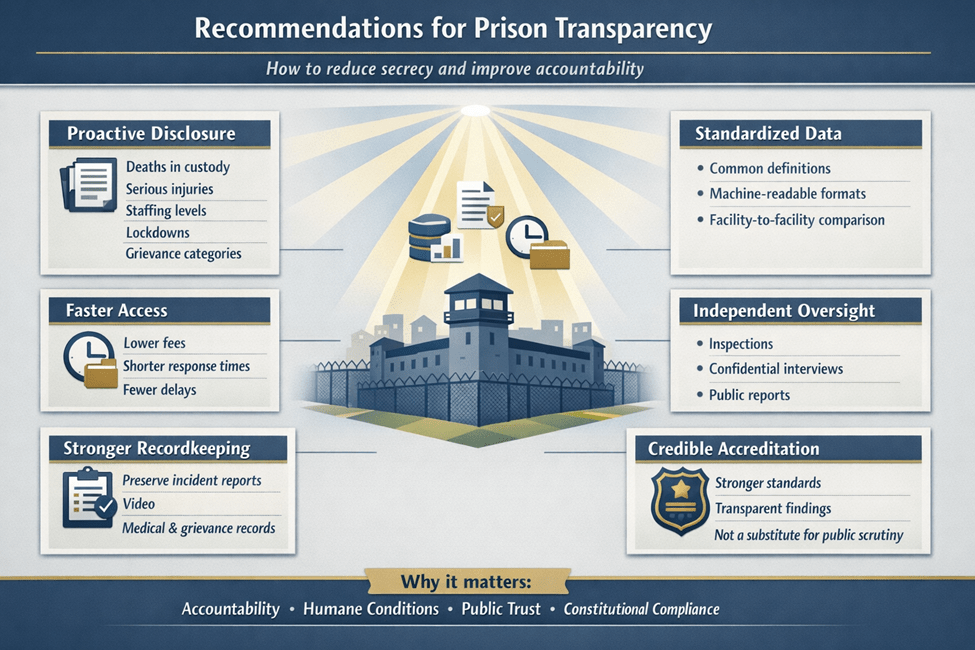
If the United States is serious about transparency in corrections, it cannot rely exclusively on individual records requests. Meaningful openness requires proactive disclosure: routine publication of deaths in custody, serious injury reports, staffing levels, lockdown frequency, grievance categories, inspection findings, contracts with private vendors, and outcomes of substantiated misconduct investigations. It also requires standard definitions and machine-readable formats so that the public can compare facilities over time. Data that exists only in scattered PDFs, delayed spreadsheets, or heavily redacted narrative files does not create real accountability.

Just as important, sunshine laws alone are not enough without independent oversight bodies that can inspect facilities, interview incarcerated people confidentially, review records without agency permission, and publish findings publicly. Open-records rights help after the fact. Oversight bodies can identify problems while they are ongoing. The two approaches should reinforce each other. One gives the public tools to ask questions; the other creates institutions with the authority and expertise to keep asking them even when the public is not watching closely.

The American Correctional Association’s Potential Role

The American Correctional Association plays a significant role in this discussion because it is one of the best-known accrediting bodies in corrections. Through its Commission on Accreditation for Corrections, the association sets standards for prisons, jails, community corrections, and related services, and it describes accreditation as a process for verifying compliance with national correctional standards. According to the association, those standards are intended to improve safety, sanitation, staff training, record maintenance, data management, and the overall operation of correctional facilities [14][15][16]. In theory, that makes ACA accreditation relevant to many of the very deficiencies that drive public demands for sunshine laws in the first place.

If used rigorously, accreditation could help address some of the structural weaknesses identified in this article before they become scandals or litigation. Standards that require better recordkeeping, clearer policies, staff training, health and safety procedures, sanitation practices, incident review, and quality assurance can create a more disciplined internal compliance culture. In that sense, an accrediting body could serve as a preventive mechanism rather than merely a symbolic one. It could push facilities to document deaths, use-of-force incidents, medical practices, grievance handling, and environmental conditions more consistently, making it harder for serious failures to remain invisible. Strong accreditation could also complement sunshine laws by improving the quality, consistency, and retention of the records that outside requesters later seek.

At the same time, accreditation is not the same thing as transparency, and it is not a substitute for independent public oversight. That distinction matters. Critics have argued for years that ACA accreditation can become too deferential to the institutions it evaluates, especially when accreditation is treated as evidence that a facility is operating well despite persistent reports of abuse or neglect. Recent reporting and public criticism have highlighted allegations that the process can function more like a compliance exercise than a searching external review, particularly when agencies have advance notice, pay accreditation fees, and remain deeply involved in the production of the very materials being assessed [17][18]. If accreditation is to reduce the need for sunshine-law battles, it must be credible, probing, and willing to identify deficiencies publicly rather than merely certify formal compliance.

In the best case, the American Correctional Association could help narrow the gap between internal management and public accountability. It could do that by strengthening standards related to documentation, medical quality, grievance systems, use-of-force review, staffing, and humane conditions of confinement, while also making accreditation findings more transparent and easier for the public to understand. But unless accreditation is paired with genuine independence and public visibility, it will only partially address the underlying problem. Sunshine laws are still necessary because the public needs a way to test official claims, not simply rely on them.  The ACA acts as both an industry trade association and accrediting body.  Its history is an important part of American corrections for both good and bad. In terms of our discussion regarding transparency about the ACAs role in the corrections industry I would refer you the Wikipedia entry about the American Correctional Association for more information.

Conclusion

Sunshine laws are rooted in a simple democratic premise: government should not be allowed to operate in darkness. But when it comes to prisons in the United States, darkness is not an accident. It is often built into the institution through physical isolation, legal fragmentation, bureaucratic delay, and a longstanding culture of secrecy. That is why obtaining reliable information about prison conditions remains so difficult even when public records laws formally exist. The question is not only whether the law allows a request to be filed. The real question is whether the public can get timely, usable, comparable information before harm is buried by process.

For journalists, researchers, advocates, lawmakers, and families, the struggle for prison transparency is ultimately a struggle over whether incarceration will remain a black box. A society that claims to value the rule of law cannot treat its most coercive institutions as exempt from ordinary public scrutiny. Stronger sunshine laws, narrower exemptions, lower costs, faster response times, proactive publication, and independent correctional oversight will not solve every abuse behind bars. But without them, the public will continue to learn about prison conditions only after scandal, tragedy, or litigation forces a narrow beam of light through a door that was never meant to open.

References

  1. National Conference of State Legislatures. “Public Records Law and State Legislatures.” Updated April 16, 2025.
  2. National Freedom of Information Coalition. “State Freedom of Information Laws.” Accessed May 12, 2026.
  3. Prison Policy Initiative. “A Guide to Public Records Requests for Advocates Seeking Reform of the Criminal Legal System.” Accessed May 12, 2026.
  4. National Immigrant Justice Center. “State & Local Records Requests.” 2022.
  5. The Marshall Project. “Public Records Shed Light on the Justice System — But It Can Be a Battle to Get Them.” March 12, 2026.
  6. National Conference of State Legislatures. “Trends in Corrections Data and Transparency.” Updated July 22, 2025.
  7. Project On Government Oversight. “How States Are (and Aren’t) Collecting Death-In-Custody Data.” November 19, 2024.
  8. The Remedy Project. “The Remedy Project Launches Data Dashboard Tracking Conditions and Complaints in Federal Prisons.” April 29, 2025.
  9. Data Liberation Project. “Federal Inmate Complaints.” First published July 9, 2024.
  10. Prison Policy Initiative. “Research Spotlight: PrisonOversight.org Equips the Fight for Accountability in Jails and Prisons.” March 25, 2024.
  11. Brennan Center for Justice. “The Federal Prison Oversight Act, Explained.” September 9, 2025.
  12. Congress.gov. “Federal Prison Oversight Act,” Public Law 118–71, July 25, 2024.
  13. U.S. Department of Justice Office of the Inspector General. “Reports – Federal Bureau of Prisons.” Accessed May 12, 2026.
  14. American Correctional Association. “Standards.” Accessed May 12, 2026.
  15. American Correctional Association. “Frequently Asked Questions.” Accessed May 12, 2026.
  16. American Correctional Association. “Commission on Accreditation for Corrections.” Accessed May 12, 2026.
  17. The Appeal. “Nonprofit Prison Accreditor Perpetuates Abuse and Neglect, Senators Say.” February 29, 2024.
  18. Prison Legal News. “Federal Watchdog Slams BOP for Sham Accreditations.” July 1, 2024.

Locked Down: How Prison Lockdowns Undermine Mental Health and Rehabilitation in U.S. Prisons

Lockdowns are supposed to keep prisons safe. Too often, they function as mass isolation: damaging mental health, stalling rehabilitation, and deepening a humanitarian crisis.

During my 8 years of incarceration, I experienced numerous lockdown events.  It could be due to a fight in the yard or chow hall, an outbreak of an infectious disease like Norovirus, or a security sweep for weapons and contraband.  It might last for a few hours to a few days.  A security sweep might result in my property being tossed like a fruit salad onto my bed and my body strip searched, but that was the extent of my inconvenience. My few delayed meals or a sack lunch, a few missed shifts as a school tutor, canceled medical or library callouts, even a few missed visits do not begin to compare to what is happening now across the country.  Lockdowns were just part of the prison experience, but that all changed with Covid-19.

My wife is a Medical Assistant and was hired during Covid to work in the state prison near our house.  During the pandemic everything changed.  Just like out in the world, prisons went into complete lockdown.  No prisoner movement.  What necessary minimal services like medical came to the housing units.  All offsite prisoner transport stopped. No visits, no school or programing, no yard, weight pit of gym callouts, no church services or outside volunteers.  Prisoners were not allowed to interact with other people from outside their housing units. The routine upon which prison is built was stopped completely.  In most prisons this condition lasted not for a couple of months, but for over a year.  In a previous blog post entitled Anti-Social Distancing I wrote about the devastating effects that the pandemic had on prisoners.  The ripple effects of that time still reverberate in prisons.

In many U.S. prisons, “lockdown” no longer describes a rare emergency response to a riot or a narrowly targeted security incident. It has become a recurring operational mode: housing units sealed, movement halted, yard and dayroom time canceled, phones restricted, visits suspended, and education, treatment, and job assignments paused—sometimes for days, weeks, or even months. Reporting in recent years has documented extended lockdowns tied not only to violence but also to chronic understaffing and overcrowding, raising a stark question: When a prison can’t run its basic schedule safely, are we still operating a rehabilitative institution or merely warehousing human beings behind steel doors? [1]

What a Prison Lockdown Actually Means

Lockdowns vary by facility, custody level, and the event that triggered them. But in practice, a lockdown is a temporary suspension of normal movement and routines—often applied to an entire housing unit or whole prison—so staff can regain control, search for contraband, respond to violence, manage a shortage of officers, or contain disease outbreaks. Some lockdowns allow limited “controlled movement” (brief showers, medication lines, or staggered recreation). Others are near-total confinement to cell, with meals delivered to doors, minimal human contact, and sharply reduced access to healthcare, law library, religious services, and family contact.

Even when it is not formally “solitary confinement,” a prolonged lockdown can replicate many of the same risk factors: sensory deprivation, social isolation, loss of autonomy, and the collapse of predictable routines that help people regulate stress. That overlap matters because research on restrictive housing and solitary confinement consistently links extreme isolation to psychological deterioration, self-harm, and elevated suicide risk.

Mental Health: Why Lockdowns Hurt So Much

People enter prisons with high rates of mental illness and trauma histories, and many facilities already struggle to meet their clinical needs. The Prison Policy Initiative’s research library summarizes how common mental health diagnoses are in custody and how gaps in treatment persist. In that environment, lockdowns act like gasoline on a smoldering fire: they intensify stressors while simultaneously cutting off the very support: structured activity, social contact, counseling, movement, sunlight, and exercise that can keep symptoms from spiraling. [10]

  • Loss of routine and control: Predictability is a core mental-health stabilizer. Lockdowns replace schedules with uncertainty—When will the door open? Will medication be on time? Will family calls work today?
  • Isolation and conflict: Confinement increases loneliness and rumination, but it can also increase tension with cellmates in cramped spaces, producing hypervigilance and sleep disruption.
  • Reduced physical activity: Yard closures and canceled recreation remove one of the most accessible mood regulators.
  • Disrupted healthcare access: Even brief interruptions in psychiatric care, counseling, and medication continuity can trigger withdrawal, relapse, or acute crises.
  • Family separation: Suspended visitation and restricted phone access remove a major buffer against despair—especially for parents.

We should be careful with language: lockdowns and solitary confinement are not identical. Still, a large body of evidence on solitary confinement provides a warning label for prolonged, near-total lockdown conditions. A major systematic review and meta-analysis in Frontiers in Psychiatry found solitary confinement was associated with adverse psychological effects and higher risks of self-harm and mortality, especially suicide. When whole housing units are kept in conditions that approximate isolation, it is reasonable to expect similar patterns—particularly among people with preexisting mental illness. [3]

Lockdowns also leave residue. After weeks of enforced inactivity, people may emerge dysregulated—more irritable, less trusting, and more prone to impulsive behavior. That dysregulation can feed a vicious loop: tension increases, violence increases, administrators respond with more lockdown, and the psychological and social environment degrades further. Meanwhile, the skills needed for successful reentry: emotion regulation, conflict resolution, consistent participation in treatment—are precisely the skills lockdowns erode.

Rehabilitation: Lockdowns Don’t Just Pause Programs—They Break Them

Education classes, vocational training, substance use treatment groups, cognitive behavioral programs, faith-based services, work assignments, and reentry planning often depend on predictable movement and staff availability. Lockdowns disrupt all of it. Even “temporary” cancellations can have outsized effects because correctional programming is built on momentum: attendance requirements, sequential curricula, waitlists, and limited seats. Miss enough sessions, and a person can lose their spot—then wait months to re-enroll, if they can at all.

This isn’t a minor inconvenience. Research syntheses and policy reviews consistently find that prison programming, especially education and job training, can reduce recidivism and improve post-release employment. RAND’s work on correctional education summarizes evidence that educating incarcerated people improves post-release outcomes, and federal reviews describe programming as a key lever for reducing reoffending. When lockdowns suspend programming, they effectively suspend one of the few tools’ prisons have to make future communities safer. [8] [9]

Lockdowns also damage the human infrastructure of rehabilitation: relationships. Family visitation is often suspended, and calls may be limited or unreliable. Staff may interact with incarcerated people primarily through orders and door slots. Over time, this can shift the culture from “managed community” toward “permanent crisis mode.” Recent accounts describe facilities held in extended lockdown conditions because agencies lack enough staff to safely run normal schedules—an operational failure with deep human costs.

Are Lockdowns Increasing? What U.S. Data Shows—and What It Doesn’t

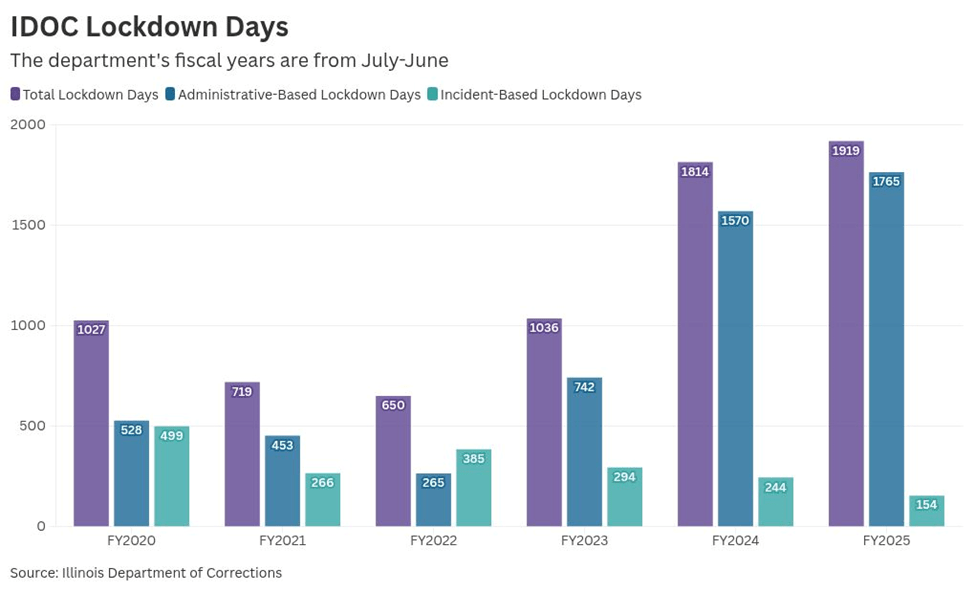
If you’re looking for a single national dataset that tracks the frequency and duration of prison lockdowns across all U.S. state and federal facilities over decades, you’ll quickly hit a wall: lockdowns are not consistently defined, measured, or publicly reported across jurisdictions. National statistical agencies such as the Bureau of Justice Statistics (BJS) produce detailed annual reports on prison and jail populations, admissions, staffing, and mortality, but “lockdown-days per facility per year” is not a standard published metric. The Prison Policy Initiative even maintains resources explaining that many commonly requested criminal-justice datasets simply don’t exist in unified form—lockdowns being a prime example. [10] Here is one of the few examples from the Illinois Department of Corrections.

Example of lockdown data from the Illinois Department of Corrections for FY2020 to FY2025 showing the marked recent increase in lockdowns.

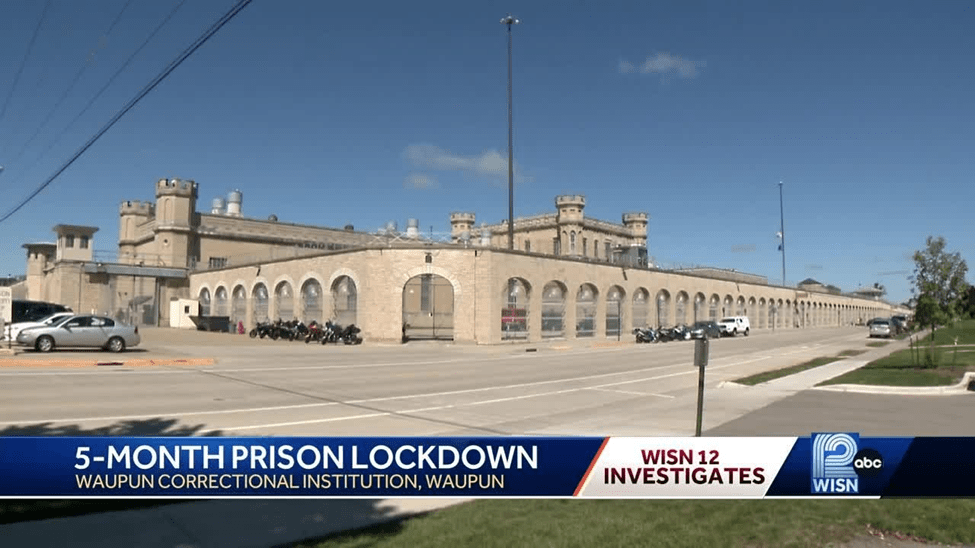
Still, we can responsibly analyze lockdown trends by triangulating from: (1) periods when lockdowns were system-wide (notably the COVID-19 era), (2) staffing and overcrowding indicators that predict operational lockdowns, and (3) investigative reporting and oversight findings documenting prolonged, non-emergency lockdown use. Note that throughout this article I have specifically included a series of images related to two state prisons in Wisconsin that made the news due to public protests regarding prolonged lockdowns and prison conditions.

1) The COVID-19 Shock: Lockdown as Public-Health Control

From March 2020 through early 2021, many prisons entered “modified operations” that resembled extended lockdowns: movement restrictions, suspended visitation, reduced programming, and quarantine/isolation practices. BJS documented the broader system impacts of the pandemic in prisons—including testing, infections, deaths, and major shifts in admissions and releases—showing how deeply COVID-19 altered daily operations behind bars. [4] Refer to my post Speech-less to read about the devastating effect that Covid-19 had on those incarcerated at that time.

Federal oversight also highlighted the mental-health danger of pandemic isolation. In a capstone review of the Federal Bureau of Prisons’ COVID-19 response, the DOJ Office of the Inspector General reported that the BOP told investigators that seven incarcerated people died by suicide from March 2020 through April 2021 while housed in single-cell confinement in quarantine units related to COVID-19—an alarming signal of how extreme isolation can interact with crisis stress. The OIG also described staffing shortages and morale challenges during the pandemic. [5]

At the time the BOP published facility-level COVID-19 statistics, which helped document disease burden and operational strain. That reporting was quickly ended even before the pandemic was declared over and the information was never translated into a standardized national ledger of lockdown frequency and duration.

2) The Staffing Squeeze: Lockdown as a Substitute for Adequate Operations

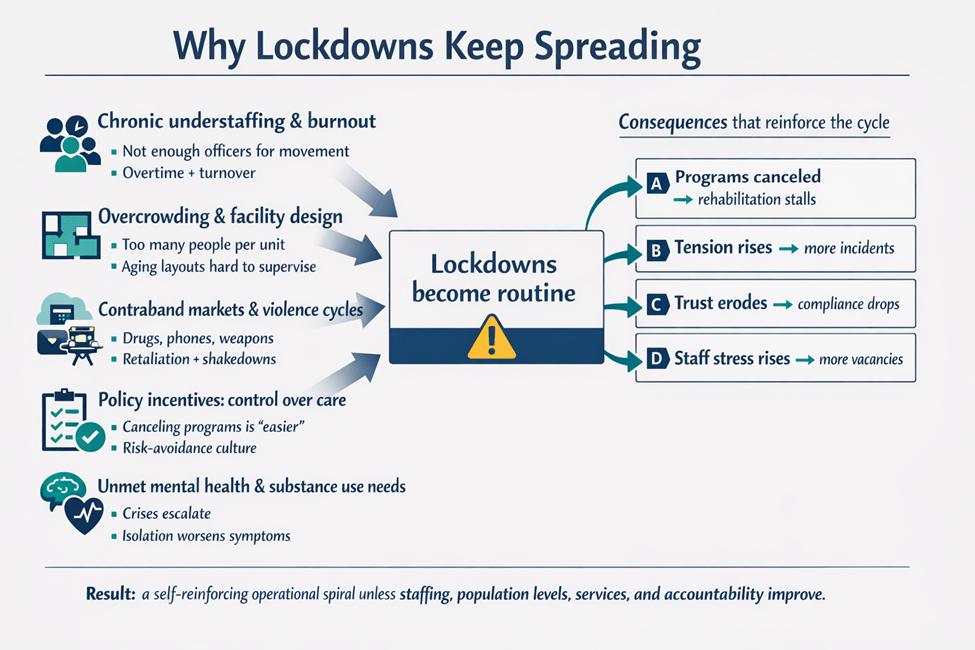
Outside of pandemic emergencies, one of the most commonly cited drivers of extended lockdowns is understaffing. When there aren’t enough officers to safely escort people to chow, yard, school, or the clinic, prisons cut movement. In its analysis of the national staffing crisis, the Prison Policy Initiative argues that understaffing becomes a self-reinforcing loop: fewer staff leads to more restrictive conditions and fewer services; conditions worsen; violence rises; staff burnout increases; recruitment becomes harder; and lockdown becomes routine. [2]

Data-driven reporting has underscored how severe the staffing decline has been. The Marshall Project reported that state correctional workforces dropped sharply after 2019, reaching the lowest mark in more than two decades in 2022, while many state prison populations began rebounding—creating a mismatch between staffing capacity and operational demands. In that context, lockdown becomes a predictable management response rather than an exceptional security measure. [6]

Stateline’s national reporting similarly describes prolonged lockdowns, sometimes lasting weeks or months—linked to understaffing and overcrowding, not disciplinary need. The key trend described is not necessarily “more lockdown events,” but longer lockdowns and more frequent reliance on lockdown-like restrictions as a default operating posture. [1]

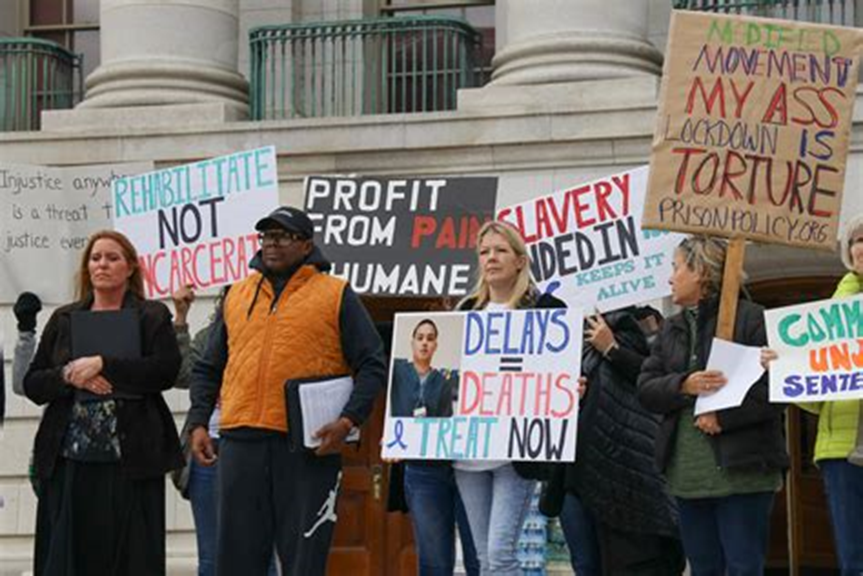
Talib Akbar speaks during an Oct. 10, 2023, protest at the Wisconsin State Capitol in Madison, Wis. WISDOM, a statewide faith-based social justice organization, organized the protest. Akbar was incarcerated for 20 years before his release in 2013 and spent at least 10 stints in solitary confinement, including a stretch lasting nearly a year. WISDOM and partner organizations called on the short-staffed Wisconsin Department of Corrections to lift restrictions on prisoner movement, reduce the prison population and invest in community-based programs that aid prisoner rehabilitation. (Meryl Hubbard / Wisconsin Watch)

3) Security Threats: Contraband, Drugs, Phones, and Violence

Lockdowns are also frequently used after violent incidents, when administrators suspect weapons, or when contraband flows overwhelm routine searches. A National Institute of Justice summary of a RAND-facilitated workshop on correctional security threats ranked insufficient staffing as the top concern among experts, with contraband (drugs, weapons, cellphones) generating the largest number of priority needs. Each of these threats can precipitate facility-wide shakedowns and movement freezes, especially when an agency lacks the personnel and technology to target responses precisely. [7]

So, are lockdowns increasing? We cannot prove a clean nationwide time-series increase in lockdown frequency and duration because the U.S. lacks standardized, publicly reported lockdown metrics across prisons. But multiple converging indicators suggest a real shift toward more extended lockdown conditions since 2020: pandemic-era modified operations, followed by persistent staffing shortages and overcrowding pressures that make normal programming schedules difficult to sustain. The lived reality described by oversight bodies and national reporting is consistent with longer and more routine restrictions—even if the number of discrete “lockdown events” is not measured uniformly.

Underlying Causes: Why Lockdowns Keep Spreading

  • Chronic understaffing and burnout: When posts go unfilled and overtime becomes constant, prisons cannot safely move large groups. Lockdown becomes the operational workaround. [1] [2] [6]
  • Overcrowding and facility design: Crowded units, dorm settings, and aging infrastructure make it harder to separate conflicts, quarantine illness, or run staggered movement without enormous staffing. [1]
  • Contraband markets and violence cycles: Illicit phones, drugs (including opioids), and weapons drive shakedowns and retaliatory violence, often followed by facility-wide lockdown. [7]
  • Policy incentives that favor control over care: It is administratively easier to cancel activities than to build staffing, training, clinical capacity, and targeted security approaches.
  • Unmet mental health and substance use needs: When treatment access is thin, crises escalate; crises prompt lockdowns; lockdowns worsen mental health; and the cycle continues. [3] [10]
Protesters call on the short-staffed Wisconsin Department of Corrections to improve prisoner conditions and lift restrictions on prisoners’ movement during a protest at the Wisconsin State Capitol on Oct. 10, 2023, in Madison, Wis. Meryl Hubbard/Wisconsin Watch

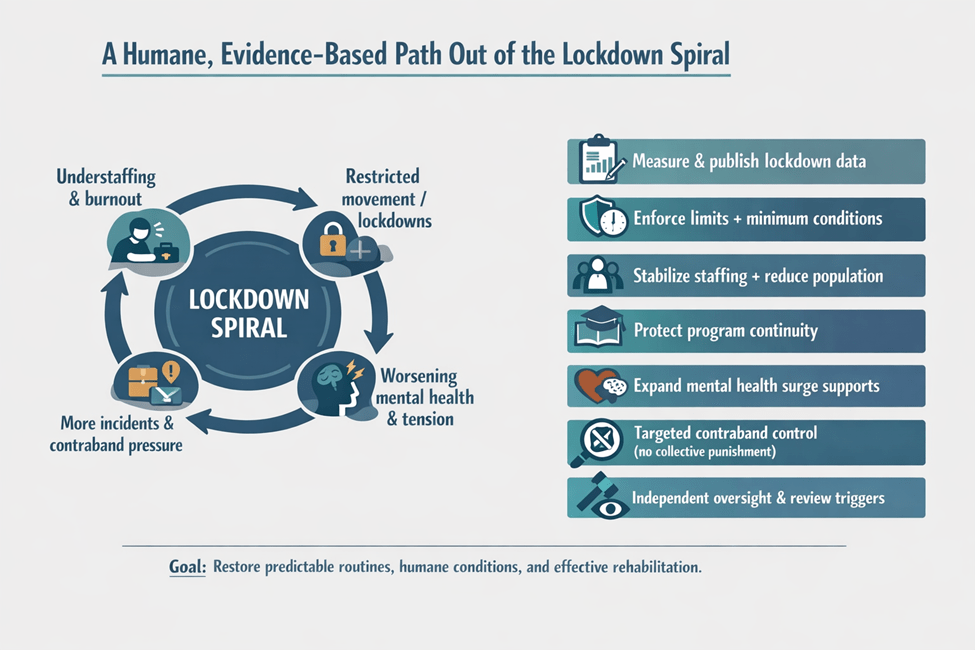
What Can Be Done: A Humane, Evidence-Based Path Out of the Lockdown Spiral

Calling this a “humanitarian crisis” is not hyperbole: prolonged, population-wide confinement in stressful environments predictably harms mental health and sabotages rehabilitation. The good news is that the solutions are not mysterious. They require political will, operational discipline, and transparency.

  1. Measure lockdowns—then publish the numbers. States and the federal system should track at minimum: lockdown start/end times, scope (unit vs. facility), reason codes, services suspended, and out-of-cell hours provided. Without data, the public can’t distinguish emergency necessity from routine deprivation. (The current lack of standardized lockdown metrics is a central barrier to trend analysis.) [10]
  2. Set enforceable limits and minimum conditions. Even during lockdowns, people should receive daily out-of-cell time, access to showers, medical and mental health care, and meaningful communication with counsel and family, with clear exceptions only for immediate, documented threats.
  3. Stabilize staffing—but don’t pretend hiring alone can solve mass incarceration. The staffing crisis is real, but it is tightly linked to the scale of incarceration. Breaking the cycle means improving working conditions (training, safety, schedules, pay) while also reducing the incarcerated population so staffing ratios are feasible. [2] [6]
  4. Protect program continuity as a public-safety priority. If education and treatment reduce recidivism, then suspending them for long periods should be treated as a risk to community safety. Build “lockdown-resilient” programming: cell-front coursework, tablet-based learning (where feasible), small-group controlled movement, and make-up sessions that prevent people from losing their place in sequenced programs. [8] [9]
  5. Expand mental health support during and after lockdown periods. Lockdowns are predictable stress spikes. Facilities should implement surge mental-health checks, peer-support access, and rapid referral pathways during restrictions, especially for people with known risk factors for self-harm. The evidence linking extreme isolation to self-harm and suicide risk makes this essential. [3] [5]
  6. Modernize contraband control without collective punishment. Targeted searches, intelligence-led investigations, and technologies aimed at drones and illicit phones can reduce the perceived need for sweeping lockdowns—while still addressing the very real threats highlighted by correctional security experts. [7]
  7. Strengthen independent oversight. Prolonged lockdowns should trigger automatic external review: documentation of necessity, timeline for restoration of normal operations, and a plan for services. Oversight findings during COVID-19 show why independent scrutiny matters. [4] [5]

Conclusion: Safety Without Humanity Isn’t Safety

Lockdowns will always exist in some form; prisons are volatile places, and emergencies happen. The crisis is the normalization of lockdown as routine management, whether driven by pandemic protocols, staffing collapse, overcrowding, contraband economies, or a deeper policy choice to prioritize control over care. The mental-health consequences are predictable, and the rehabilitation costs are measurable in missed education, stalled treatment, and weakened family ties.

Because the United States does not systematically publish lockdown frequency and duration data across jurisdictions, we can’t chart a definitive national curve the way we can for incarceration rates or admissions. But the available evidence strongly suggests the experience of lockdown has intensified since 2020; first through widespread pandemic restrictions documented by BJS and federal oversight, then through persistent staffing and capacity failures that keep prisons from operating normally. Treating this as a humanitarian crisis starts with telling the truth in numbers: track lockdown-days, publish them, and make “days of life” behind bars a metric of accountability alongside safety. [4] [5] [1] [2] [10]

Endnotes

  1. Stateline. Amanda Hernández (December 3, 2024). “State prisons turn to extended lockdowns amid staffing shortages, overcrowding.”
  2. Prison Policy Initiative. Brian Nam-Sonenstein & Emmett Sanders (December 9, 2024). “Why jails and prisons can’t recruit their way out of the understaffing crisis.”
  3. Luigi, M., Dellazizzo, L., Giguère, C.-É., Goulet, M.-H., & Dumais, A. (2020). “Shedding Light on ‘the Hole’: A Systematic Review and Meta-Analysis on Adverse Psychological Effects and Mortality Following Solitary Confinement in Correctional Settings.” Frontiers in Psychiatry, 11:840.
  4. U.S. Bureau of Justice Statistics. Carson, E. Ann; Nadel, Melissa; & Gaes, Gerry (August 2022; published August 25, 2022). Impact of COVID-19 on State and Federal Prisons, March 2020–February 2021 (NCJ 304500).
  5. U.S. Department of Justice, Office of the Inspector General (March 2023). Capstone Review of the Federal Bureau of Prisons’ Response to the Coronavirus Disease 2019 Pandemic (Report 23-054).
  6. The Marshall Project. Shannon Heffernan & Weihua Li (January 10, 2024). “New Data Shows How Dire the Prison Staffing Shortage Really Is.”
  7. National Institute of Justice (April 6, 2020). “Experts Identify Priority Needs for Addressing Correctional Agency Security Threats.”
  8. RAND Corporation. Davis, L. M., Bozick, R., Steele, J. L., Saunders, J., & Miles, J. N. V. (2013). Evaluating the Effectiveness of Correctional Education: A Meta-Analysis of Programs That Provide Education to Incarcerated Adults (RR-266).
  9. Office of Justice Programs / Federal Probation. Byrne, J. M. (2020/2022). “The Effectiveness of Prison Programming: A Review of the Research Literature Examining the Impact of Federal, State, and Local Inmate Programming on Post-Release Recidivism.”
  10. Prison Policy Initiative. “Data toolbox” (includes guidance and a list of commonly requested data that doesn’t exist in unified form).

Hurts, Hang-Ups, and Habits: An Introduction to Celebrate Recovery

Celebrate Recovery (often called “CR”) is more than a weekly meeting—it’s a Christ-centered pathway for healing, discipleship, and restored relationships. Whether the struggle is addiction, anger, trauma, codependency, or the long aftermath of incarceration, CR offers a safe place to tell the truth and take the next right step—together.

While I was incarcerated one of the programs offered by the chaplain was an introductory course on Celebrate Recovery.  There was an AA program at the prison, and I knew a lot of guys who attended because they always had a coffee urn, but CR was different.  I had recently read Rick Warren’s Purpose Driven Life book and was looking for concrete information on healing. The old expression says “Time heals all wounds,” but mine weren’t.  I was in pain; my hurt wasn’t going away.  I was looking for a faith-based program that could provide me with an actionable process to systematically address my brokenness and guide me toward healing.

In this post, we’ll explain what Celebrate Recovery is, what a typical meeting looks like, and why the same CR principles that help people in church communities can also bring real hope behind bars through Celebrate Recovery Inside (CRI), the prison and jail extension of the ministry.

What is Celebrate Recovery?

Celebrate Recovery is a Christ-centered, 12-step recovery program designed to help people find freedom and healing from life’s “hurts, habits, and hang-ups.” It pairs a proven recovery framework (the 12 Steps) with Scripture and eight principles inspired by the Beatitudes (Matthew 5), emphasizing honesty, surrender, confession, growth, accountability, forgiveness, and service.

Celebrate Recovery began in 1991 at Saddleback Church (Lake Forest, California) with a vision for a recovery ministry where people could openly talk about Jesus Christ as their Higher Power; where the church could become a safe place for ongoing healing, not just a place to “have it all together.” What started as a single meeting has since grown into thousands of groups in churches and ministries across the U.S. and beyond.

Who is Celebrate Recovery for?

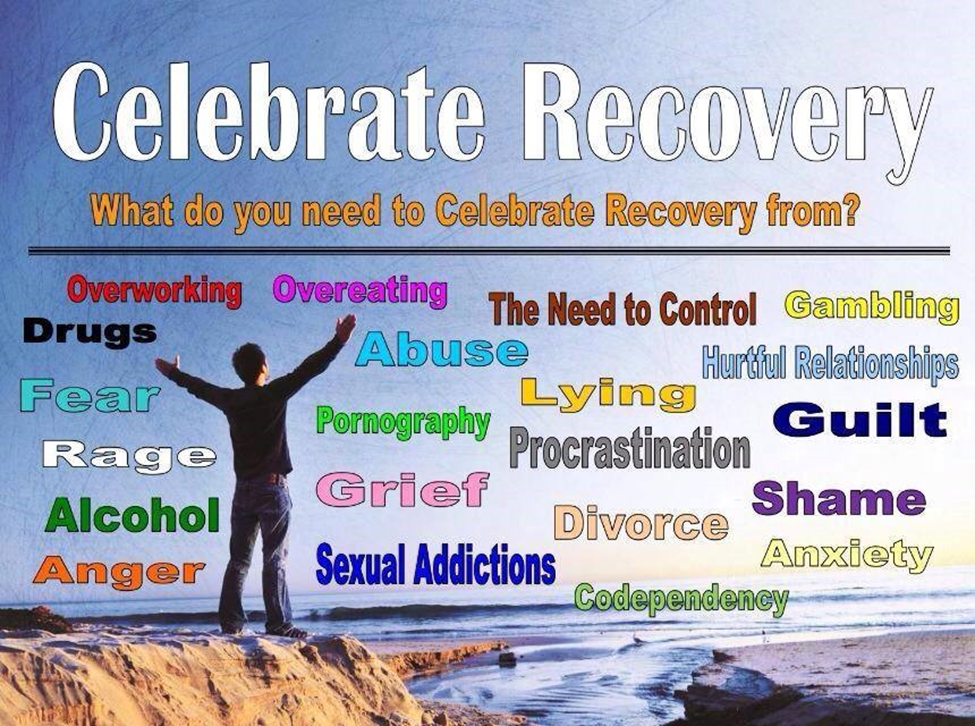
One of the most common misunderstandings about CR is that it’s only for alcohol or drugs. It’s for anyone who recognizes a pattern that’s hurting their relationship with God, others, and themselves. People often come to CR for things like:

  • Substance use and addiction (alcohol, drugs)
  • Compulsive behaviors (pornography, gambling, overspending, food issues)
  • Anger, control, perfectionism, people-pleasing
  • Codependency and unhealthy relationships
  • Grief, trauma, abuse, family dysfunction
  • Shame, anxiety, depression, and the isolating behaviors that often come with them

Celebrate Recovery in a prison or jail context: Celebrate Recovery Inside (CRI)

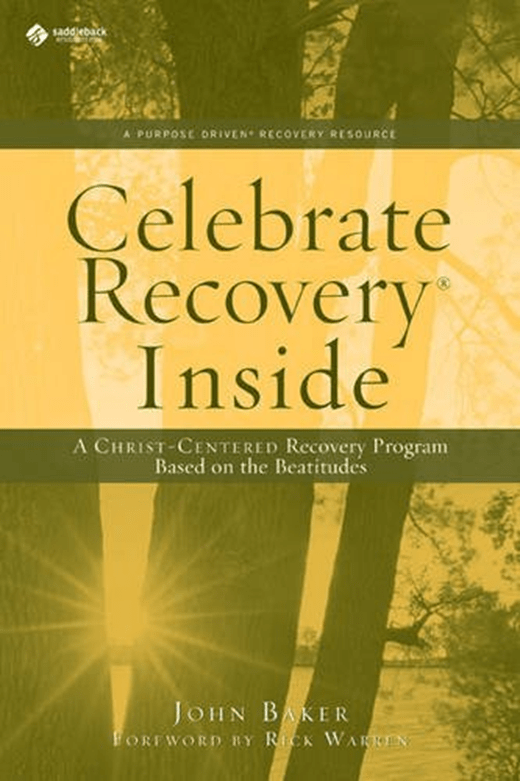
Celebrate Recovery Inside (often shortened to CRI) is the prison and jail extension of Celebrate Recovery.  It brings the same Christ-centered recovery pathway into correctional facilities. Many churches describe CRI as a natural “bridge” between the institution and the community, because when someone is released, they can often find a Celebrate Recovery meeting close to home and continue the journey with support rather than isolation.

Organizations that work in corrections note that CRI can address a wide range of life-controlling issues: alcohol and drug addiction, gambling, overeating, and more by dealing thoughtfully with the underlying hurts, hang-ups, and habits that often sit beneath the surface. Prison Fellowship, for example, partners with Celebrate Recovery to bring CR into incarcerated settings as part of larger life-transformation efforts, helping men and women grow spiritually and pursue freedom and new patterns of living.

Depending on the facility, CRI is often run as a structured series. The U.S. Federal Bureau of Prisons’ volunteer listings describe Celebrate Recovery Inside as a 25-week Christ-centered recovery program with three core components—worship, step study, and open share groups—recommended weekly for about 90 minutes per session, using participant guides that walk-through lessons, questions, group guidelines, and the CR principles and steps.

What’s different “on the inside” (and why structure matters)

Recovery groups inside a facility operate within clear institutional boundaries and that structure can support growth. Many CRI ministries emphasize the same small-group guidelines used in community CR (sharing your own experience, no crosstalk, no fixing, confidentiality), while also honoring facility safety requirements and the reality that confidentiality has limits if someone threatens harm to self or others.

Why CRI matters: hope, accountability, and a reentry bridge

One theme that shows up repeatedly in CRI descriptions is identity: instead of being defined by an inmate number, an offense, or an addiction, participants are invited to be defined by what Christ can do in a life surrendered to Him. Prison Fellowship highlights how Celebrate Recovery Inside can help participants begin the process of making amends and strengthening relationships, including family relationships—while learning to live differently. Local church partners also emphasize that CRI can create a practical transition back into the community because CR groups exist in so many towns and cities.

For churches and ministries, CRI also creates a meaningful way to serve.  Trained volunteers partner with chaplains and facility leadership to show up consistently, model healthy boundaries, and speak hope. And because CR uses a shared language (principles, steps, sponsor/accountability, daily inventory), it can continue after release—when temptation, stress, and old environments often hit hardest.

What happens at a typical Celebrate Recovery night?

While every church is a little different, most CR ministries follow a consistent rhythm designed to be welcoming to newcomers and safe for honest sharing. Many locations offer a “general meeting night” that includes worship, teaching or testimony, and then small groups. Some also include a meal or fellowship time, childcare (when available), and a clear welcome moment that helps new attendees feel oriented without pressure.

1) Large Group

The large group hour commonly includes prayer, worship music, reading the CR principles/steps, and either a lesson or a personal testimony. Some groups also include a chip ceremony to celebrate milestones.

2) Open Share Small Groups

After large group, participants typically break into gender-specific open share groups (often also organized by issue area). This is where people share what’s really going on—without being interrupted, “fixed,” or judged. Confidentiality is a core expectation, and groups use guidelines to keep sharing safe and respectful.

3) Step Studies (deeper work during the week)

Many people eventually join a Step Study—a smaller, closed group (usually meeting on another night) that works through CR materials more deeply. Step Studies are where participants slow down, process their story, practice new tools, and build consistent accountability.

The heart of CR: 8 Principles and 12 Steps

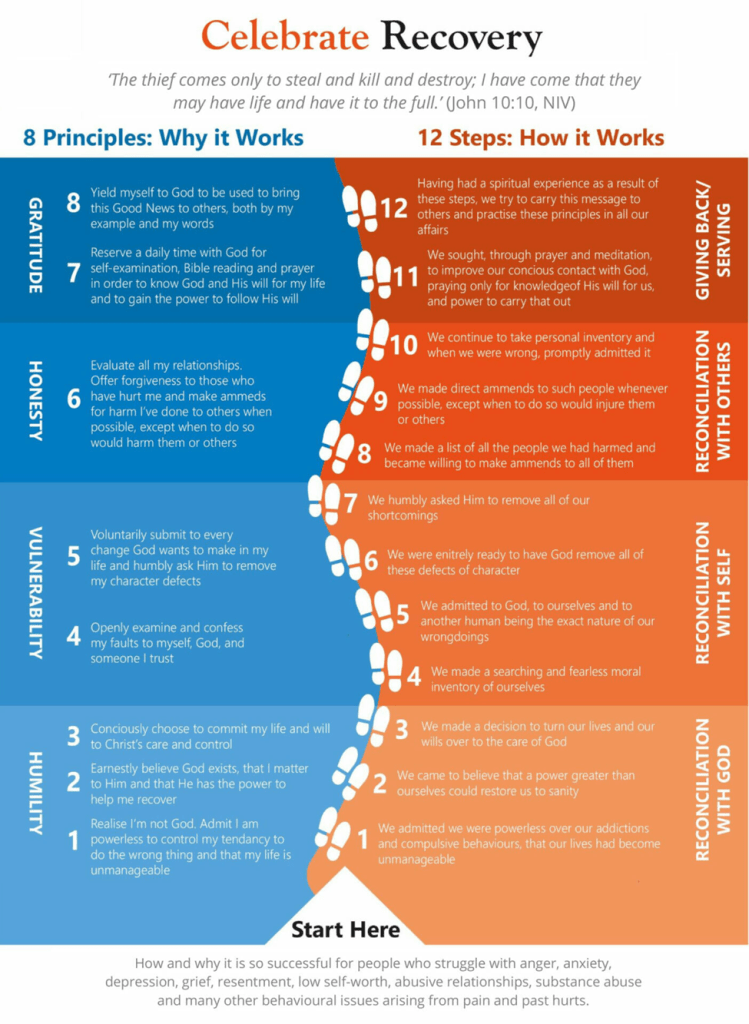
CR is built on two complementary tracks: the 12 Steps (adapted to be explicitly Christ-centered) and eight recovery principles rooted in Jesus’ teaching in the Beatitudes. Together, they offer a structured path that moves from denial to honesty, from isolation to community, and from broken patterns to new life.

Celebrate Recovery describes this journey not only as recovery, but as a road that leads to salvation and discipleship—a practical, day-by-day way to learn surrender, obedience, honesty, and dependence on Jesus. In other words: it’s spiritual formation with traction, especially for people who have tried “willpower” and found it isn’t enough.

In many CR materials, each principle is paired with a Beatitude, and each step is paired with Scripture—helping participants see that recovery isn’t a side project to faith; it is part of learning to live the new life Christ offers.

  1. Realize I’m not God; I admit I’m powerless and my life has become unmanageable.
  2. Believe God exists, I matter to Him, and He has power to help me recover.
  3. Choose to commit my life and will to Christ’s care and control.
  4. Examine myself honestly and face the truth about my past and my patterns.
  5. Confess my hurts, hang-ups, and habits to God and to someone I trust.
  6. Submit to the changes God wants to make and ask Him to remove my defects of character.
  7. Make amends by forgiving others and taking responsibility for my harm when it won’t cause further injury.
  8. Give back by continuing to grow daily and sharing hope with others.

Celebrate Recovery vs. Alcoholics Anonymous (AA): what’s the difference?

Celebrate Recovery and Alcoholics Anonymous have a lot in common: both are peer-led, group-based recovery communities that use a 12-step framework and emphasize honesty, accountability, and helping others. The differences matter, though—especially for someone that is deciding where to start (or what to recommend to a friend or family member).

CategoryAlcoholics Anonymous (AA)Celebrate Recovery (CR)
Primary focusAlcohol addiction and sobriety support specifically.“Hurts, habits, and hang-ups” (a wider range of struggles, including addictions, compulsions, relational patterns, and trauma-related issues).
Spiritual languageRefers to “God as we understood Him” and a “Power greater than ourselves,” leaving room for different faith backgrounds.Explicitly Christ-centered and Bible-based; the steps are written to name Jesus Christ and Scripture as the foundation.
Core frameworkThe 12 Steps and 12 Traditions, as practiced in AA meetings worldwide.The 12 Steps (Christ-centered wording) plus 8 Recovery Principles rooted in Jesus’ teaching in the Beatitudes.
MaterialsAA literature (including the “Big Book”) is commonly used alongside meetings.CR curriculum and participant guides/step-study materials are commonly used, especially in Step Studies and CR Inside contexts.
Meeting typesVaries by group (open, closed, speaker, discussion, etc.), generally centered on sobriety and step work.Often includes worship + lesson/testimony + gender-specific open share groups; many ministries also offer closed Step Studies for deeper work.

Both AA and Celebrate Recovery have helped countless people take steps toward freedom. If you’re looking for a Christ-explicit environment with worship and a broad focus beyond alcohol, Celebrate Recovery may be a strong fit. If you’re looking for a sobriety-specific fellowship with flexible spiritual language and frequent meeting availability in many communities, AA may be a strong fit. In many cases, people benefit from participating in both while also receiving pastoral care, counseling, or clinical treatment as needed.

What to expect if you’re new

Walking into any recovery space for the first time can feel intimidating. Here are a few things that are typically true at most Celebrate Recovery meetings:

  • You can come as you are. You don’t need to have the “right words,” and you don’t have to share on your first night.
  • It’s okay to pass. In open share groups, people are usually invited—but never forced—to speak.
  • Confidentiality matters. The goal is to create a safe place where honesty is possible.
  • No one is there to “fix” you. Sharing is about telling your own story and listening with respect, not giving advice.
  • It’s peer support, not clinical counseling. Many people also benefit from pastors, licensed counselors, medical care, or treatment programs alongside CR.

An invitation: you don’t have to do this alone

At its core, Celebrate Recovery is a place where people stop pretending, start telling the truth, and learn how to walk—one day at a time in the healing power of Jesus Christ. If you’re carrying hurts you can’t outthink, a habit you can’t break, or a hang-up you can’t hide anymore, CR offers something many of us desperately need: community, clarity, and the next right step.

How you can engage with Celebrate Recovery

There are a few simple ways you can take the next step whether you’re seeking help, walking alongside someone who is, or sensing a call to serve people impacted by incarceration.

  • Visit a meeting. Consider attending a local Celebrate Recovery gathering to observe the format and see if it’s a fit for you. You can simply listen and learn.
  • Commit to the process. If you’re ready for deeper change, ask about a Step Study—consistent, guided work in a smaller group.
  • Support a returning citizen. Reentry is a vulnerable season. Encouragement, rides, accountability, and a welcoming church community can make a huge difference.
  • Serve “on the inside.” If you have a heart for jail/prison ministry, explore opportunities to volunteer in approved programs like Celebrate Recovery Inside, in partnership with chaplains and facility staff.
  • Pray and partner. Pray for healing, protection, and perseverance for participants and leaders—and consider how your church or small group could come alongside this work.

If you’re curious, consider visiting a local meeting as a quiet first step. You can simply listen, take in the format, and decide what you want to do next. If you’ve been impacted by incarceration—personally or through someone you love—remember that healing often includes both internal work (new patterns, new identity, new habits) and community support (people who will walk with you when life gets loud). Healing rarely happens in isolation—and you’re allowed to start small.

No matter your story, Jesus is not intimidated by it. Celebrate Recovery simply gives us a place to bring what’s true into the light—so grace can do what it does best: restore what’s been broken and teach us how to live free.

For more information about Celebrate Recovery or where you can find a meeting visit their website at https://celebraterecovery.com/.

If you are interested in learning more about the prison based Celebrate Recovery Inside program, I would recommend checking out the CRI Newsletter Facebook Page at https://www.facebook.com/CRInsideNews.